2026 Best Eco Friendly Labels for Sustainable Living Choices?
In a world increasingly aware of environmental issues, eco friendly labels are gaining traction. These labels guide consumers toward sustainable living choices. Knowing what these labels mean can be challenging. Many are unsure about the claims behind them.
Eco friendly labels vary in transparency and trustworthiness. Some brands genuinely commit to sustainability, while others may merely greenwash their products. It's essential to research and understand which labels hold real value. By doing so, consumers can make informed choices that contribute positively to the planet.
Engaging with eco friendly labels requires a discerning eye. Not all products are created equally. Some may look appealing but lack genuine accountability. The journey toward sustainable living is complex and often imperfect. However, every informed decision matters. This guide will highlight the best eco friendly labels for 2026, encouraging mindful consumption.
2026 Eco-Friendly Labels: A Comprehensive Guide for Sustainable Living
In recent years, eco-friendly labels have become crucial for sustainable living. According to a report by the Global Organic Textile Standard (GOTS), over 30% of consumers consider sustainability when making purchasing decisions. These labels help shoppers identify products that align with their values.
Sustainable living involves more than just choosing green products. It requires an understanding of what these labels truly mean. A report from the Environmental Protection Agency (EPA) shows that consumers often misinterpret labels. For instance, the term "natural" is not strictly regulated. This can lead to confusion and even greenwashing.
While many labels promote positive practices, not all certifications are equal. Some may mislead consumers into thinking a product is fully sustainable. A study found that nearly 20% of labeled products do not meet consumer expectations. This gap highlights the need for more transparency in labeling practices. As the market grows, so does the responsibility to critically assess products before buying.
Understanding Eco-Friendly Labels: What They Mean for Consumers
When navigating the world of eco-friendly labels, consumers can feel overwhelmed. These labels aim to simplify choices and promote sustainable living. However, not all eco-labels are created equal. Some are backed by rigorous standards, while others may lack transparency. For instance, terms like "natural" or "green" often have vague definitions. This can mislead consumers who earnestly seek to make responsible purchases.
It's essential to dig deeper into what these labels actually signify. Do they imply ethical sourcing or simply a marketing tactic? Certifications may vary widely in their credibility. Look for third-party verification, which often indicates a stronger commitment to sustainability. This helps consumers make informed choices and aligns their purchases with their values. Yet, the gap between intention and action remains. A label does not guarantee that a product is entirely eco-friendly or ethical.
Reflecting on our personal buying habits is crucial. Are we too quick to trust labels without understanding them? True sustainability requires diligence and awareness. Did we consider the full lifecycle of the products we choose? Balancing convenience with ethical responsibility needs attention. Only through this awareness can we foster genuine sustainable living choices.
Top Product Categories Featuring Eco-Friendly Labels in 2026
As awareness of sustainability increases, more products are labeled eco-friendly. Shopping consciously is crucial, yet many labels can be confusing. In 2026, several product categories stand out for their commitment to sustainability.
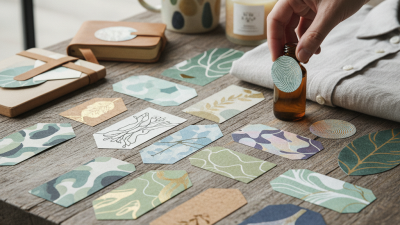
Home goods are at the forefront, featuring labels that emphasize organic materials and recyclable packaging. Look for certification stickers that confirm ethical sourcing. Personal care products have also evolved. From biodegradable containers to cruelty-free testing, these choices offer a guilt-free experience.
Food products are increasingly labeled with terms like “locally sourced” and “USDA organic.” But buyers need to examine the fine print. Some labels may not be as credible as they seem. It’s vital to research before choosing based solely on packaging claims. Not all environmentally friendly items live up to expectations, and indoctrination into greenwashing is easy. Sustainable living choices require careful thought and a critical eye.
Criteria for Evaluating Eco-Friendly Labels: A Consumer’s Toolkit
When evaluating eco-friendly labels, understanding criteria is crucial. Many consumers look for certifications that assure sustainable practices. The Global Sustainability Initiative revealed that over 70% of shoppers consider eco-labels essential. However, not all labels are created equal.
Look for labels that emphasize transparency. Third-party certifications often indicate rigorous testing and compliance. Labels verified by trusted organizations can provide peace of mind. The Environmental Protection Agency noted that consumers often trust labels that include life cycle analysis. This approach helps assess a product's environmental impact from production to disposal.
Yet, it’s important to remain critical. Some labels may use marketing strategies to appear more eco-friendly than they are. In a recent study, 40% of consumers admitted to being confused by greenwashing. Assess the claims closely. Research each label's standards and methodologies. This thorough approach can empower you, leading to informed choices that genuinely support sustainable living.
The Impact of Eco-Friendly Labels on Sustainable Choices and Market Trends
Eco-friendly labels are making a significant impact on consumer choices. According to a recent study by the Nielsen Group, 66% of global consumers are willing to pay more for sustainable products. This finding highlights the growing preference for items that feature eco-friendly certifications. These labels often help consumers make informed choices, but the landscape is still cluttered with misleading claims.
Market trends indicate a surge in sustainable product offerings. In 2022, the market for sustainable goods reached $150 billion and is expected to grow rapidly. However, the proliferation of labels can confuse shoppers, leading to skepticism. Research shows that 43% of consumers find it hard to differentiate between genuine and misleading eco-labels. This confusion underscores the need for transparency and better communication in the industry.
In a world where consumers are more eco-conscious, the role of clear labeling becomes crucial. While awareness around sustainability is rising, many shoppers still struggle to understand what these labels mean. A sizable portion of the market remains skeptical. Companies must strive for authenticity in their claims. Only then can they truly influence sustainable buying behaviors.