How to Choose the Best Mesh FIBC Bags for Your Needs?
When selecting the best Mesh Fibc Bags, understanding material and purpose is crucial. The global market for flexible intermediate bulk containers (FIBCs) is projected to reach over USD 9 billion by 2027, with mesh options gaining popularity for their breathability and moisture control. These bags are optimized for products like agriculture seeds and food grains, where air circulation prevents spoilage.
Mesh FIBC bags offer unique benefits, yet they also come with challenges. They are often less durable than woven polypropylene bags. Therefore, weighing the advantages against potential risks is essential. Industry reports indicate that improper selection can lead to product loss, impacting operational and financial performance.
Choosing the right Mesh FIBC bags requires diligence. Consider factors like weight capacity, regulatory standards, and your specific application needs. Engaging with reliable suppliers might provide insights, but always review product specifications carefully. Understanding your requirements can greatly influence your decision, ensuring safety and efficiency in your operations.
Understanding Mesh FIBC Bags and Their Applications
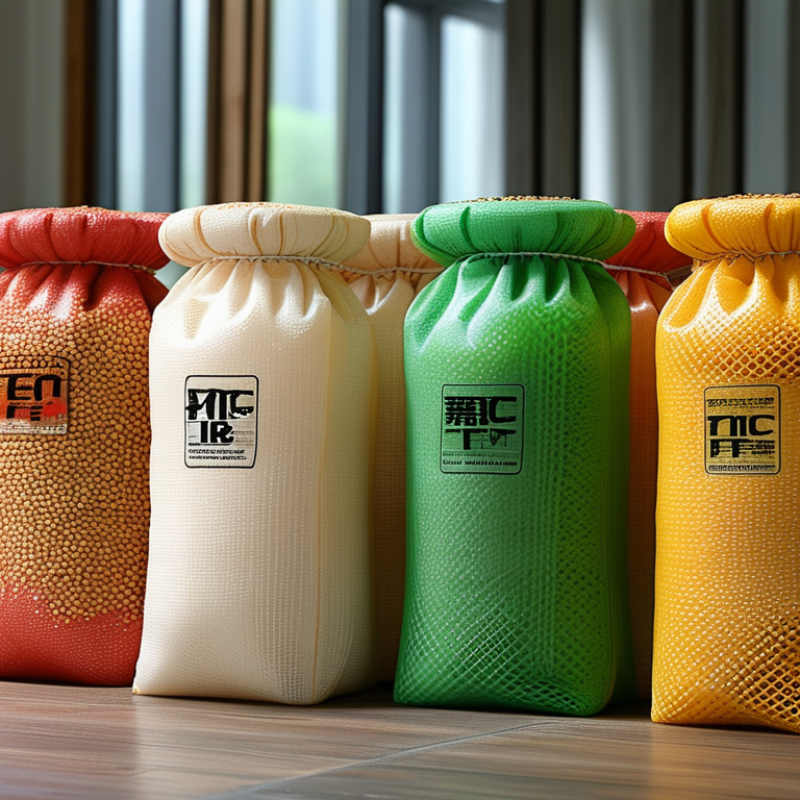
Mesh FIBC bags, made of woven fabric, offer versatility in storage and transportation. These bags excel in various applications, from agriculture to construction. The open weave structure allows for airflow while retaining fine particles. This feature helps keep products fresh, making them suitable for agricultural uses, like storing grains.
When choosing a mesh FIBC bag, consider your specific needs. Different mesh sizes offer varying levels of protection. A larger mesh allows for better ventilation but may not contain smaller particles. Think about the environment in which the bag will be used. For example, exposure to moisture can affect some materials more than others. It's essential to keep these factors in mind while selecting the right option.
Testing the durability of the bag is crucial. Some may find that certain bags wear out faster than expected. This can lead to issues in transporting materials securely. Regularly evaluating the performance of your chosen bag will help ensure it meets your expectations. Look for feedback from others who have used different types of mesh FIBC bags. Learning from their experiences can guide you in making a better choice.
Key Factors to Consider When Selecting Mesh FIBC Bags
When selecting mesh FIBC bags, several key factors come into play. The bag type directly influences its functionality. Consider the mesh size. Smaller mesh allows for better containment but may restrict airflow. Larger mesh provides ventilation but may not hold fine materials effectively. Weighing these options is crucial for your specific needs.
Material selection is another vital aspect. Different fabrics offer varying degrees of strength and durability. Polypropylene is commonly used due to its resistance to chemicals and UV light. Inspect the bag's stitching quality as well; weak seams can lead to material loss.
Lastly, the intended use must be considered. Transportation of heavy goods requires robust designs that can withstand stress. At times, it’s easy to overlook the specifics when making a choice. Perhaps a bag that seems perfect at first glance might not be suitable long-term. Ensure the bag is tested under expected conditions. Reflecting on previous choices can lead to better decisions in the future.
Comparing Different Types of Mesh FIBC Bags
When selecting mesh FIBC bags, it’s essential to understand the differences among various types. There are open-top, closed-top, and spout-bottom mesh FIBC bags. Open-top bags offer easy loading, making them ideal for bulk materials. However, they can be less secure compared to closed-top options. Closed-top bags feature a sealed opening, enhancing safety, yet they may complicate the loading process.
Spout-bottom bags are excellent for precision when unloading. They allow for controlled discharge of materials. This design can be advantageous for applications requiring accuracy. It’s crucial to assess your specific needs before making a decision. Reflecting on factors like material type and flow rate can guide you toward an appropriate choice. Consider that what works for one situation might not for another.
Evaluating these features requires careful thought. Each design has its pros and cons. Open-top may speed up loading but lacks security. Closed-top prioritizes safety, yet might slow down the process. Spout-bottom enhances control but may be more complicated to handle. Reflecting on these details is vital in making the best selection for your business needs. A thorough understanding leads to a better investment in mesh FIBC bags.
Evaluating Load Capacity and Strength of Mesh FIBC Bags
When selecting mesh FIBC bags, evaluating load capacity and strength is essential. Load capacity can range from 500 kg to 2200 kg, depending on construction and material. Understanding how these bags distribute weight is crucial. A well-designed mesh FIBC bag uses a combination of high-strength polypropylene and reinforced seams. This increases reliability and minimizes the risk of failure under heavy loads.
Industry data indicates that mesh FIBC bags can provide excellent ventilation, which is beneficial for bulk materials that require airflow. The breathable material can prevent moisture buildup while maintaining structural integrity. However, some mesh bags may not perform well under extreme conditions. For instance, if subjected to sharp or abrasive materials, the risk of wear and tear increases. This is a point often overlooked by users who assume all bags have equal durability.
Moreover, it's important to consider environmental factors. Mesh FIBC bags should be tested for UV resistance and chemical compatibility. These properties significantly affect their longevity. Ignoring these aspects can result in costly replacements or damage during transit. In summary, a thoughtful evaluation of load capacity and strength, coupled with an understanding of material properties, leads to better choices in mesh FIBC bags.
Best Practices for Maintenance and Storage of Mesh FIBC Bags
Maintaining mesh FIBC bags requires careful attention to detail. Regular inspections can identify wear and tear. Inspect for fraying seams or tears. Store bags in a cool, dry place away from direct sunlight. This prevents premature degradation. Using a dedicated storage area helps keep them organized.
Cleaning is vital to prolonging the life of mesh FIBC bags. Use gentle soap and water, avoiding harsh chemicals. Rinse thoroughly and let them air dry. It’s crucial not to fold or stack wet bags, as this can cause mildew. Over time, you may notice bags becoming less pliable. That’s a sign to check for usability.
Proper usage also impacts longevity. Avoid overloading bags beyond their capacity. Monitor how they are filled and emptied. This can reduce stress on seams. Train staff on best practices for handling these bags. Taking these steps not only enhances safety but also ensures durability. Sometimes, even the best practices can lead to mistakes. Reflect on what works and what doesn’t.
How to Choose the Best Mesh FIBC Bags for Your Needs? - Best Practices for Maintenance and Storage of Mesh FIBC Bags
| Attribute | Description |
| Material | Polypropylene (PP) is the most common material for mesh FIBC bags, providing strength and durability. |
| Mesh Size | Typically ranges from 5 to 20 mm, depending on the application and materials being handled. |
| Load Capacity | Commonly available in load capacities of 500 kg to 1500 kg. |
| UV Resistance | Choose UV-resistant mesh FIBC bags for outdoor storage to prevent degradation. |
| Design Type | Open-top, filling spout, or discharge spout designs available for ease of use. |
| Ventilation | Ventilated designs allow airflow for materials that need breathability, such as agricultural products. |
| Cleaning Method | Washable with mild detergent and water; ensure complete drying before storage. |
| Storage Conditions | Store in a cool, dry area away from direct sunlight and moisture to prolong lifespan. |
| Disposal Guidelines | Follow local regulations for disposal or recycling of polypropylene materials. |
