Why Choose Electrical Labels for Your Business Needs?
In today’s business landscape, the importance of electrical labels cannot be overstated. A recent study from the National Electrical Manufacturers Association indicates that improper labeling can lead to safety hazards and increased operational costs. With over 30% of workplace accidents tied to lack of proper equipment labeling, the stakes are high.
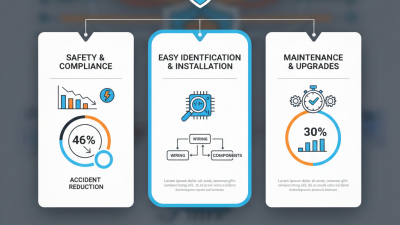
Electrical labels serve to enhance safety and compliance. They provide critical information about voltage, amperage, and other key data. The data from OSHA suggests that businesses using clear, standardized electrical labels can reduce workplace accidents by up to 25%. This is significant, considering the direct costs associated with workplace incidents, which can exceed $1 million for a single event.
Choosing the right electrical labels is not just a regulatory requirement, but a smart business decision. Quality labels improve communication and accountability among staff. However, businesses often overlook this detail, which can lead to inefficiencies and hazards. Investing in high-quality electrical labels can safeguard your workforce and improve operational effectiveness. Consider this an essential step towards a safer and more efficient workplace.

Benefits of Electrical Labels for Business Efficiency
Electrical labels play a crucial role in enhancing business efficiency. According to a report from the Institute of Electrical and Electronics Engineers (IEEE), over 30% of workplace accidents occur due to improper labeling of electrical equipment. Clear and identifiable labels can significantly reduce these incidents, creating a safer work environment. They ensure that employees can quickly recognize electrical hazards, leading to fewer injuries and downtime.
Using electrical labels can also streamline operations. A survey by the National Fire Protection Association (NFPA) found that companies with proper labeling experienced 20% faster response times during emergencies. This increased efficiency supports quicker maintenance while minimizing operational interruptions. Labels provide essential information at a glance, aiding technicians in their tasks and helping avoid costly mistakes.
Tips for implementing effective labeling:
- Use bold, contrasting colors for visibility.
- Ensure labels are durable and can withstand environmental conditions.
- Regularly review and update labels to keep them accurate.
Incorporating electrical labels is an investment in safety and operational efficiency. While some companies still overlook this aspect, the data clearly highlights its importance. Reflecting on your current labeling practices might reveal areas for improvement.
Types of Electrical Labels Suitable for Various Applications
Electrical labels are essential for many business operations. They help to identify, organize, and ensure safety in various environments. Different types of labels suit different needs, making it crucial to choose the right one for your specific application.
For instance, durable vinyl labels are perfect for outdoor use. They resist water, fading, and harsh weather conditions. On the other hand, self-adhesive paper labels work well indoors. They are cost-effective and ideal for temporary uses, but not suitable for high-moisture areas. Choosing the wrong type can lead to confusion and safety hazards.
In specialized settings, such as industrial facilities, you need labels that meet strict standards. Chemical-resistant labels can withstand exposure to harsh substances. This prevents wear and fading. Moreover, magnetic labels can be repositioned easily, which adds flexibility. Ensuring the right materials and adhesives are used is vital. A poor choice may lead to labels peeling off or becoming illegible over time. Always assess your environment before making a decision.
Key Features to Look for in Electrical Labels
Electrical labels play a crucial role in maintaining safety and compliance in the workplace. When selecting labels, focus on key features that ensure reliability and durability. One major consideration is the label material. According to industry data, vinyl and polyester labels are known for their longevity and resistance to various environmental factors, making them ideal for harsh conditions.
Ease of readability is another important feature. Labels should be designed with clear fonts and contrasting colors for maximum visibility. Research shows that nearly 30% of workplace accidents are caused by miscommunication about electrical hazards. Proper labeling can significantly reduce these risks.
Additionally, consider the label's adhesive strength. Poor quality adhesive can lead to fading or peeling, which can compromise safety. Studies indicate that labels with industrial-grade adhesives last up to five times longer in demanding environments. While investing in quality labels may seem costly upfront, the potential savings in accident prevention and compliance fines can prove invaluable.
Best Practices for Implementing Electrical Labels in the Workplace
Implementing electrical labels in the workplace enhances safety and efficiency. According to the National Electrical Manufacturers Association, improper labeling can lead to a significant 30% increase in accidents. Clear labeling ensures that employees can quickly identify and respond to electrical hazards, reducing risks.
Best practices involve strategic label placement. Labels should be visible and placed near electrical panels, switches, and outlets. A study from the Electrical Safety Foundation International found that visible labels can reduce error rates by 22%. Proper training on label interpretation is also crucial. Employees must understand the meanings of various symbols and colors.
Regular audits can help maintain labeling standards. A report from the Occupational Safety and Health Administration revealed that over 50% of workplaces had issues with electrical labeling. Continuous improvement is needed. Workplace safety protocols must evolve as standards change. Addressing these aspects can significantly contribute to a safer working environment.
Why Choose Electrical Labels for Your Business Needs?
| Label Type |
Application Area |
Material |
Durability |
Recommended for |
| Warning Labels |
High Voltage Areas |
Vinyl |
5-7 years |
Electrical Maintenance Teams |
| Instruction Labels |
Control Panels |
Polyester |
3-5 years |
Operational Staff |
| Asset Labels |
Equipment Identification |
Polypropylene |
5-10 years |
Inventory Management |
| Cable Labels |
Wiring Systems |
Vinyl |
4-6 years |
Network Technicians |
| Electrical Panel Labels |
Breaker Panels |
Mylar |
5-10 years |
Installers and Inspectors |
Regulatory Compliance and Safety Considerations for Electrical Labels
Electrical labels are essential for any business that deals with electrical systems. These labels ensure compliance with various regulatory standards. They enhance safety and provide crucial information about electrical components. Using appropriate labels can prevent accidents and reduce liability risks.
When it comes to safety, clarity is key. Labels must be easy to read and understand. They should convey vital information, such as voltage levels, hazards, and maintenance instructions. Poorly designed labels can lead to confusion and serious accidents.
Tips: Always choose durable materials for your labels. They should withstand harsh environments. Regularly inspect labels for wear and tear. Replace any that are faded or missing. This small action can prevent costly mistakes and enhance workplace safety.
Electrical labels also support regulatory compliance. Many industries face strict guidelines regarding electrical safety. Non-compliance can result in severe penalties. Keeping labels updated is not just a best practice; it is a necessity. Businesses must invest time in training staff to recognize and understand these labels.