2026 How to Create Bespoke Labels for Your Brand Success?
Creating bespoke labels for your brand is an art that goes beyond mere aesthetics. John Smith, a renowned expert in label design, once said, "Bespoke labels tell a story; they connect brands with their audience." This highlights the importance of personalized branding in today’s competitive market.
When designing bespoke labels, consider what resonates with your target audience. Choose colors and materials that reflect your brand's identity. A well-crafted label can create an emotional connection. Yet, not every brand finds the perfect fit immediately. Experimentation and adjustments are crucial to this process.
Brands often face challenges in label design. Some may overlook the significance of details, leading to missed opportunities for connection. Reflecting on these elements helps refine your strategy. Bespoke labels can distinguish your product, making it unforgettable in a crowded space. Aim to create labels that are not just seen, but felt.
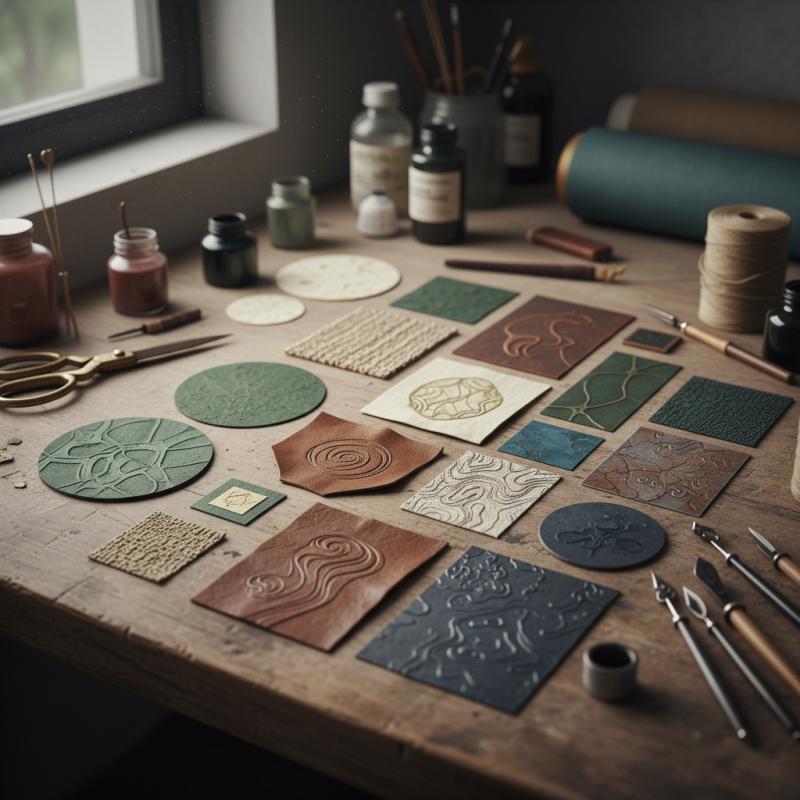
Understanding the Importance of Custom Labels in Brand Identity
Custom labels play a crucial role in establishing brand identity. They are not just for decoration; they communicate your brand’s message. A well-designed label can attract attention and create a lasting impression. These labels reflect your brand's personality and values. They should resonate with your target audience.
Creating bespoke labels requires careful thought and creativity. Choose colors and fonts that embody your brand. Consider the shape and material of the label. Experiment with different designs. It may take several iterations to find the perfect fit. Remember, imperfections can also tell a story. A unique label can set you apart from competition.
Don’t forget the practicality of labels. They must convey essential information clearly. This includes product details and usage instructions. Even small elements like barcodes matter. Each label should serve a purpose while enhancing aesthetics. Finding the right balance can be challenging but rewarding. Embrace the process of creating custom labels for your brand’s success.
Brand Label Customization Importance
This chart illustrates the importance of various aspects of custom label creation for brand identity. Brand recognition and customer loyalty are among the highest-rated factors contributing to overall brand success.
Choosing the Right Materials: Types of Label Stock and Their Durability
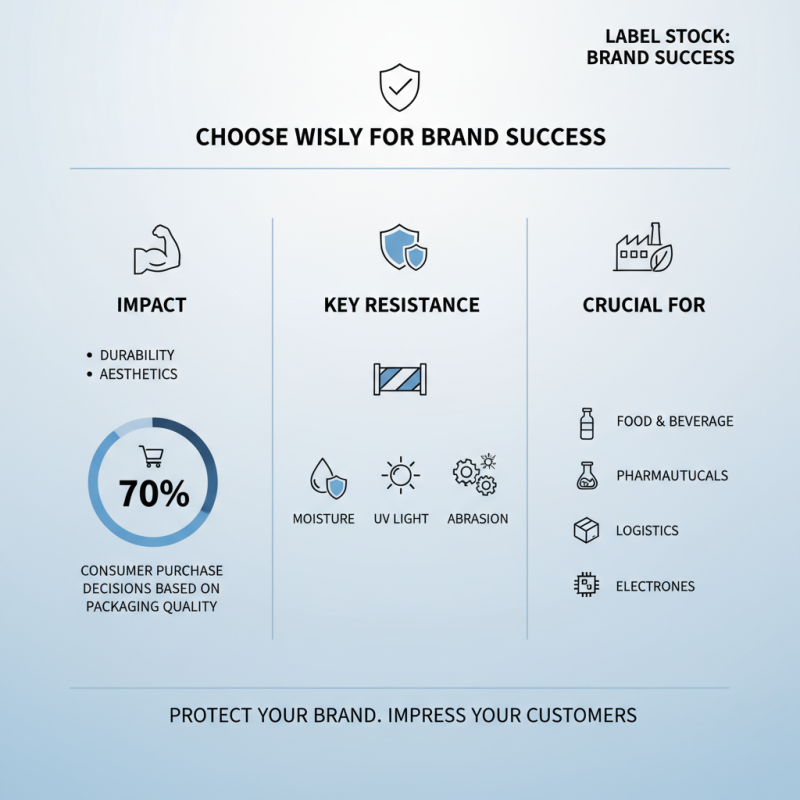
Choosing the right label stock is crucial for brand success. The material impacts durability and aesthetics. Studies suggest that 70% of consumers make purchasing decisions based on packaging quality. Labels must resist moisture, UV light, and abrasion. These factors are essential in various industries.
Paper stock is common, offering versatility and cost-effectiveness. However, it lacks durability under harsh conditions. Polypropylene labels are water-resistant and suitable for cold storage. According to a recent report by Smithers Pira, durable labels see a growth rate of 4.7% annually.
Material choice can affect cost too. Premium materials can push budgets. Yet, they may enhance brand perception. It's a balance between expense and quality. Some brands overlook the importance of testing. They may not realize that a poor label can damage their reputation.
Design Principles for Effective Labeling: Psychology of Color and Fonts
Effective labeling plays a crucial role in brand success. The psychology of color influences consumer emotions and perceptions. For instance, studies show that 85% of consumers make purchases based on color. Different colors evoke distinct feelings. Blue, for example, often conveys trust. Red can incite urgency and excitement. Brands must consider these implications carefully.
Fonts also deliver powerful messages. A report from the Type Association revealed that 65% of consumers believe typography impacts brand identity. Serif fonts suggest tradition and reliability. Sans-serif fonts feel modern and clean. Combining the right colors with suitable fonts is essential. Brands should test their designs to ensure resonance with their target audience. Preconceived ideas about color and font choices may not always translate effectively.
Many businesses overlook these details. Rushing through design can lead to missed opportunities. For example, a poor font choice can make a label difficult to read. This could deter potential customers. Conducting audience research can refine label designs. Getting feedback during the design phase can guide better decisions. Embracing imperfections and learning from customer reactions will enhance brand labels.
Regulatory Compliance: Ensuring Labels Meet Industry Standards
Creating bespoke labels for your products involves navigating complex regulatory compliance issues. Each industry has specific guidelines that dictate label content, font size, and information placement. For example, food products often require ingredient lists and nutritional information. Failing to adhere to these regulations can lead to fines and product recalls.
Compliance includes more than just following rules. It requires constant review of changing regulations. Labels that once met standards might become outdated as laws evolve. It's crucial to stay informed and proactive. Conducting regular audits of your labels can highlight areas needing improvement. Customer trust can wane if they encounter unclear or misleading information.
Think about the colors and fonts used on your labels. They must be clear and readable, yet still attract attention. Sometimes, designs that look good on a screen may not work in print. Testing labels with actual customers can provide invaluable feedback. Ensuring compliance is a continuous process, blending creativity with strict adherence to regulations.
Case Studies: Successful Brands Leveraging Custom Labels for Growth
Custom labels are more than just branding; they play a crucial role in enhancing consumer experience. A report by the Custom Label Industry Association revealed that brands utilizing bespoke labels saw a 23% increase in sales YoY. This data emphasizes how tailored designs can resonate with target audiences, creating a stronger emotional bond.
One successful case involved a small organic skincare company that invested in unique label designs. Initially, their sales were modest, reflecting industry averages. After redesigning their labels, they noticed an immediate uptick. The new labels emphasized organic ingredients, which appealed to eco-conscious consumers. Within six months, their sales grew by 35%. This illustrates the potential impact of thoughtful, custom labeling.
Yet, not all brands experience immediate success. Misalignment between label design and market expectations can occur. For example, a drink brand revamped its labels but saw minimal change in sales. Feedback showed the design didn’t connect with consumers’ values. This highlights the importance of consumer research in the label creation process. It’s essential to test designs before fully committing.
2026 How to Create Bespoke Labels for Your Brand Success? - Case Studies: Successful Brands Leveraging Custom Labels for Growth
| Brand Type |
Label Material |
Customization Features |
Growth Metrics |
| Organic Food |
Recycled Paper |
Eco-Friendly Inks, Custom Shapes |
25% Increase in Sales in 6 Months |
| Craft Beverage |
Glossy Vinyl |
QR Code Integration, Unique Graphics |
30% Increase in Customer Engagement |
| Luxury Skincare |
Metallic Paper |
Embossing, Foil Stamping |
15% Growth in Market Reach |
| Handcrafted Candles |
Clear Plastic |
Custom Sizes, Scent Labels |
20% Increase in Repeat Customers |