How to Create Personal Labels for Better Organization in Your Life?

In today's fast-paced world, organization has never been more critical. A study by the National Association of Professional Organizers found that 82% of people feel overwhelmed by their clutter. This overwhelming feeling often stems from disorganization in both personal and professional spaces. One effective solution is the use of personal labels.

Personal labels provide clarity and structure. They help individuals identify items quickly and maintain order. A survey from the organizing industry indicates that 75% of participants reported improved productivity after implementing labeling systems. Personal labels can transform chaos into a streamlined environment, making daily tasks much easier.

However, the journey toward better organization is not always straightforward. Some may find that their personal labels do not fit their evolving needs. Regular reflection on their effectiveness can lead to better strategies. Embracing the concept of personal labels may require reevaluation and adjustment, but the rewards are significant. In a world where time is precious, taking the time to organize with personal labels is a step towards reclaiming control over one’s life.

How to Create Personal Labels for Better Organization in Your Life?

Understanding the Importance of Personal Labels in Everyday Life

Personal labels serve as a critical tool for organization in our daily lives. They bring clarity to chaos. According to a study by the National Association of Professional Organizers, 82% of people feel overwhelmed by their clutter. This clutter can be physical, mental, or emotional. Efficient labelling allows individuals to navigate their environments better, reducing stress and enhancing productivity.

When you label items or tasks, they're easier to find and manage. A report from the American Psychological Association reveals that a well-organized workspace can increase productivity by up to 25%. However, creating labels is not a one-size-fits-all approach. Some people may struggle with consistency, leading to confusion. Tools should empower, not create additional stress. Reflecting on what works for you is essential in this process.

Moreover, the emotional aspect of personal labels should not be overlooked. They can evoke feelings of nostalgia or even guilt. For instance, labeling sentimental items might trigger memories that can distract from organization. Recognizing this can help in creating a more meaningful, personalized labeling system. Embrace imperfections during this process; it's part of learning and growing.

How to Create Personal Labels for Better Organization in Your Life?

Label Type Purpose Examples Benefits
Home Organization To categorize household items for easy access Kitchenware, Cleaning Supplies, Office Supplies Saves time, reduces clutter
Work Projects To manage tasks and deadlines effectively In-progress Tasks, Completed Tasks, Pending Reviews Improves focus, enhances productivity
Personal Goals To track personal development and ambitions Fitness Goals, Reading List, Skill Development Provides motivation, encourages progress
Digital Organization To categorize files and documents on devices Work Documents, Personal Photos, Important Emails Easier file retrieval, reduces digital clutter

Identifying Areas of Your Life That Need Better Organization

How to Create Personal Labels for Better Organization in Your Life?

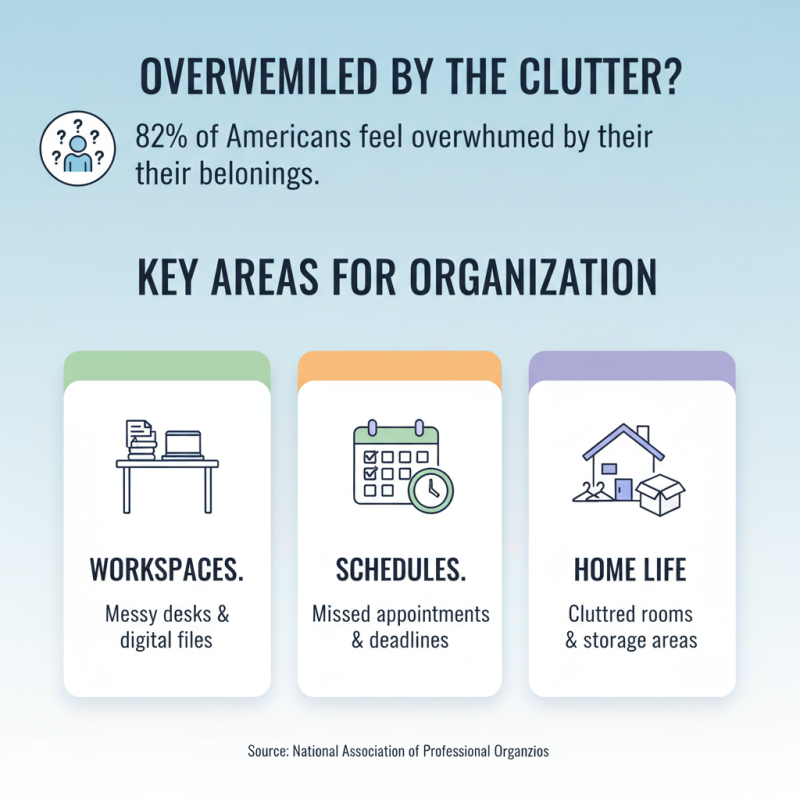
In today's fast-paced world, many individuals struggle with organization. A survey by the National Association of Professional Organizers found that 82% of Americans feel overwhelmed by their belongings. Identifying key areas that require better organization can greatly improve daily life. From cluttered workspaces to disorganized schedules, these areas invite chaos.

Start with your physical space. Are your documents piled high? Is your workspace cluttered? Visualize how a tidy environment could enhance your focus. According to a study from the University of California, clear workspaces increase productivity by up to 20%. Reflect on the mess and how it affects your mindset.

Next, examine your digital life. How many unread emails do you have? Research shows that people check their email 15 times per day on average. This frequent distraction stifles productivity. Consider using digital labels or folders to manage your online tasks more effectively. Embrace imperfection—your system doesn't need to be perfect to make a difference. Adjust as you learn what works best for you.

Choosing the Right Labeling System for Your Needs

How to Create Personal Labels for Better Organization in Your Life?

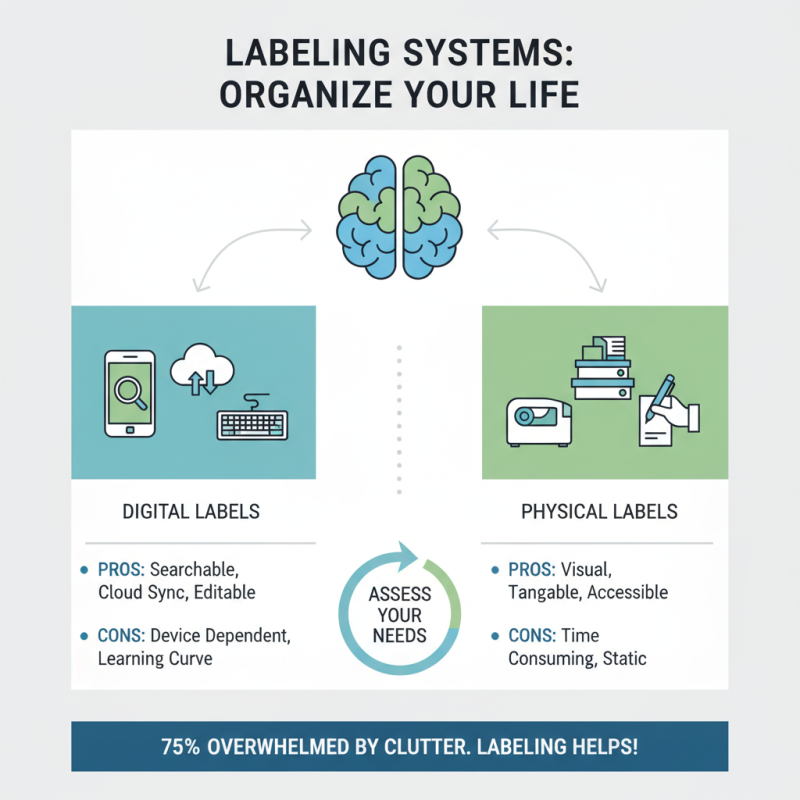
When it comes to organizing your life, choosing the right labeling system can make a significant difference. Research shows that 75% of people feel overwhelmed by clutter in their homes. A good labeling system can help tackle this issue. Start by assessing your needs. Some prefer digital labels while others find physical labels more effective. Each has its pros and cons.

**Tips:** Use a color-coding system for easy identification. For example, blue labels could denote supplies, while red could indicate urgent items. This way, you save time searching. Different label types also matter. Adhesive labels are great for bins, while hanging tags work well for shelves or file cabinets.

Consider where your items will be stored. If it’s a workspace, use clear labels that explain contents. Labeling bins helps with visibility and access. Studies suggest that organized spaces reduce stress by 30%. Remember, your system should evolve as your needs change. Constant reflection is essential. What worked last year might not work today. Stay flexible and adjust your labels as your routines shift.

Creating and Customizing Your Personal Labels Effectively

Creating personal labels is a great way to enhance organization in your life. By customizing labels, you can streamline everyday tasks. Start by identifying the areas in your life that need clarity. It might be your kitchen, home office, or closet. Use bright colors or clear fonts to make them stand out. A label saying “Snacks” in your pantry will save time.

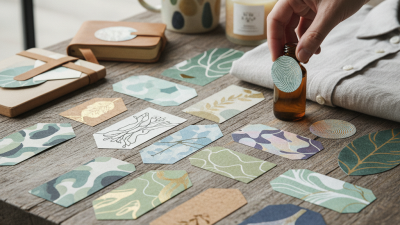
Consider using different shapes for various categories. A rectangular label for “Books” is effective, but a circular label could highlight “Hobbies.” Combining aesthetics with functionality is essential. Reflect on how labels could improve your space. Sometimes, the labeled items may not match reality. A box labeled “Winter Coats” might end up filled with random items.

Take time to reassess the labels you create. Change them as your needs evolve. This way, you ensure that your organization system remains effective. Personal labels should genuinely reflect your lifestyle. Mistakes are part of the process; learn from them. Embrace the journey towards better organization with each label you create.

Implementing Your Labels for Maximum Organizational Impact

Implementing personal labels can transform your organization. Clear labels reduce time spent searching for items. According to a study by the Organization for Productivity, effective labeling can improve personal efficiency by up to 30%. Imagine having labeled boxes, files, or bins. Each labeled item gives you instant clarity about its contents, eliminating confusion.

For maximum impact, consider color coding. This simple choice can convey information at a glance. For instance, use red labels for urgent items, blue for ongoing projects, and green for completed tasks. Research highlights that visuals enhance memory retention by 65%. However, it’s easy to overlook maintenance. Labels may fade or become outdated. Regularly revisiting and updating labels ensures continued effectiveness.

Observe areas that feel cluttered. What isn't labeled? Create labels that are functional but not overly complicated. Sometimes, less is more. Simplicity can be powerful. Focus on essentials, and resist the urge to label everything. Use labels as a tool, not a crutch. Challenge yourself to reassess your approach regularly; organization is an ongoing process.

Organization Categories and Their Importance