How to Use Preprinted Labels Effectively for Your Business Needs?
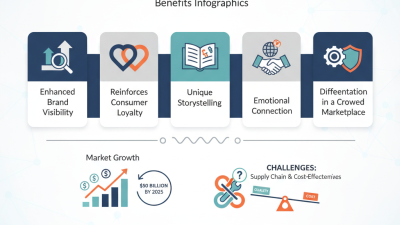
In today's competitive market, effective branding and organization can significantly influence a business's success. Preprinted labels play a vital role in this strategy. According to a report by the Label Industry Global Overview, the global label market is expected to reach $50 billion by 2025. This growth emphasizes the importance of quality labeling in establishing brand identity.
Preprinted labels offer numerous advantages. They can enhance efficiency by streamlining packaging processes and reducing manual errors. A study by the Packaging Association noted that businesses using preprinted labels reported a 25% reduction in production time. Clear and professional labels can also improve customer trust and help differentiate products on the shelf.
However, not all preprinted labels are created equal. Businesses must consider material quality, ink durability, and design aspects to ensure effectiveness. Inaccurate or low-quality labels can lead to confusion and brand damage. Reflecting on these factors can help businesses choose the best preprinted labels for their unique needs. By leveraging the power of preprinted labels, companies can strengthen their brand and improve operational efficiency.
Understanding Preprinted Labels and Their Advantages
Preprinted labels are essential tools for businesses aiming to streamline their operations. These labels improve efficiency by providing a quick solution for labeling products, shipping parcels, or organizing inventory. According to a report by the Label Manufacturers Institute, the use of preprinted labels can reduce labeling time by up to 30%. This can significantly enhance productivity as employees spend less time on repetitive tasks.
Understanding the advantages of preprinted labels is crucial. They ensure consistency in branding and messaging across products. With preprinted designs, companies can easily maintain a professional appearance. This can foster trust among customers. Moreover, in industries like logistics, clear labeling is vital. Using preprinted labels can reduce errors and help in tracking inventory more effectively. A study from the National Institute of Standards and Technology indicates that organizations can save over $200,000 annually by minimizing labeling mistakes.
Tip: Invest in quality design for your labels. High-quality, visually appealing labels attract more customers. Also, consider color coding for better organization and quick identification. A thoughtful approach to label design can greatly influence customer perception and operational efficiency.
Preprinted labels can sometimes suffer from offers that are outdated or incorrect. This can lead to confusion if not regularly updated. Checking labels frequently is beneficial. Regular audits ensure all information remains accurate and relevant.
Choosing the Right Type of Preprinted Labels for Your Business
Choosing the right type of preprinted labels is crucial for business efficiency. The label market has grown significantly, with an estimated value of $49.8 billion in 2022, projected to reach $64.7 billion by 2028. Understanding this growth helps businesses see the importance of effective labeling.
When selecting preprinted labels, consider your specific application. For product packaging, durability is key. Labels must withstand environmental factors such as moisture and temperature. In contrast, shipping labels should prioritize clarity and barcode readability to ensure accurate tracking. A study found that 70% of customers prefer clear labeling for their shipping packages.
Reflecting on label design is also important. Many companies overlook choosing the right color and font. These elements can affect brand perception. Some studies suggest that 93% of consumer judgments are influenced by visual appearance. Test what works for your brand. Experimentation can lead to valuable insights. Inconsistent labeling might confuse your audience. This could negatively impact your brand image in the long run.
How to Use Preprinted Labels Effectively for Your Business Needs?
| Label Type |
Material |
Best Use Case |
Advantages |
Disadvantages |
| Shipping Labels |
Paper |
Online retail shipping |
Cost-effective, easy to print |
Not waterproof, may not stick well to all packages |
| Product Labels |
Plastic |
Food or beverage products |
Waterproof, durable |
More expensive than paper labels |
| Barcode Labels |
Vinyl |
Inventory management |
High durability, scannable |
Costly, requires specialized printing tools |
| Promotional Labels |
Paper |
Marketing materials |
Versatile, easy to customize |
May not hold up in wet environments |
Designing Effective Label Layouts for Clarity and Appeal
Creating effective label layouts is crucial for any business. Labels must communicate essential information clearly. A well-designed label can attract attention and enhance brand identity. Color and typography play significant roles in label effectiveness. Use contrasting colors for text and background. Ensure the font is legible from a distance.
Tips: Always consider the size of your labels. Smaller labels may look neat but can limit information. Too much text can overwhelm. Instead, focus on key messages. Use bullet points or icons to make the information digestible. Visual hierarchy helps guide the eye.
Finally, be ready to adapt your designs based on feedback. Not every layout will resonate. Test different versions to see what works best. Monitor customer reactions to adjust accordingly. Iteration is essential for effective designs. Consider the context in which your labels will be used. This can influence their success.
Best Practices for Applying Preprinted Labels Efficiently
When using preprinted labels, efficiency is key. Start by organizing your workspace. Keep labels in a dedicated area to avoid confusion. Use clear file systems to quickly find what you need. Create a labeling template for consistency. Each label should be specific and easy to read. This helps in operations and reduces mistakes.
Applying labels requires careful attention. Ensure surfaces are clean and dry for proper adhesion. Test a small area first. This can save time and resources. Align labels neatly to enhance professionalism. If labels are misplaced, it can lead to misunderstandings. Regularly review your labeling process. Ask your team for feedback on efficiency. Identify any repetitive mistakes and learn from them.
Adopting these practices can improve both productivity and accuracy. Sometimes, a simple tweak can make a huge difference. Keep experimenting and refining your approach. This ongoing process is vital for success in any business setting.
Usage of Preprinted Labels in Different Industries
Integrating Preprinted Labels into Your Workflow and Operations
Integrating preprinted labels into your workflow can significantly enhance operational efficiency. Research indicates that businesses using labels see a 30% reduction in errors related to mislabeling. By designing specific labels for different products, you ensure quick identification and proper handling. This fosters a more organized environment and improves employee productivity.
Tip: Consider color-coding labels for different departments or purposes. This visual cue can streamline processes and reduce confusion. Additionally, keep an inventory of preprinted labels on hand. Not having the right labels can cause delays that hurt your efficiency.
While implementing these labels, ensure your staff receives training. Many workers may struggle with the transition to new labeling systems. Highlight the importance of consistency to avoid mistakes. Regular check-ins can help identify any challenges that arise, indicating areas for improvement.
Opting for durable materials also makes a difference in performance and longevity. High-quality labels withstand environmental factors, reducing the likelihood of wear over time. This choice can help you avoid frequent reordering, which can be disruptive and costly.