Why Labels Matter for You in Global Sourcing?
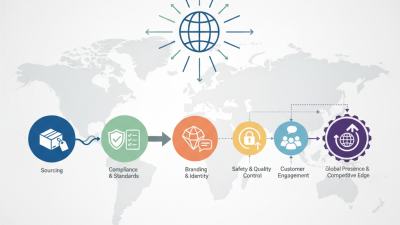
In the realm of global sourcing, understanding "labels for you" is crucial. Labels go beyond mere tags; they signify quality, compliance, and ethical sourcing. These indicators help consumers and businesses make informed choices. They build trust in a complex marketplace.
When sourcing products globally, labels can guide ethical decisions. For instance, a certification label may ensure fair labor practices. Conversely, a lack of proper labeling can raise concerns. This inconsistency in labeling leaves room for doubt.
Consider how misleading labels impact purchasing decisions. Many consumers might choose a product based solely on its label, assuming it meets certain standards. Yet, not all labels reflect reality. This gap highlights the need for careful scrutiny. Awareness of labels can empower consumers, fostering a more transparent and responsible sourcing landscape.
Understanding the Role of Labels in Global Sourcing
Labels play a crucial role in global sourcing by conveying essential information about products. They serve as a bridge between producers and consumers. Accurate labeling ensures compliance with various regulations, enhancing supply chain transparency. In fact, according to a report by the International Trade Centre, over 70% of consumers consider labels critical in making purchasing decisions.
However, mislabeling can lead to significant setbacks. Inaccurate product information can damage brand reputation and consumer trust. A study by the Global Standards Initiative highlighted that 40% of companies faced legal issues due to labeling discrepancies. This shows the importance of quality control in all sourcing stages.
Tip: Regular audits of labeling practices can help mitigate risks. Ensure that labels are not just compliant, but also clear and informative.
In addition, labels must adapt to changing regulations and consumer expectations. Sustainability has become a key concern. Research from the EcoLabel Index found that 53% of consumers prefer products with sustainable labels. This shift demands a strategic approach to labeling.
Tip: Engage with stakeholders to assess label effectiveness. Feedback can provide insights into consumer perceptions and areas for improvement.
The Impact of Product Labels on Consumer Trust and Choice
In the realm of global sourcing, product labels play a crucial role. They serve as the first point of contact between consumers and products. Clear, informative labels can enhance consumer trust significantly. When consumers know what they are buying, they feel more secure in their choices.
However, not all labels have the same impact. Some may be overly technical or vague, leaving consumers confused. For instance, a label claiming "sustainable" without clear definitions can raise eyebrows. Transparency is key. Consumers are more inclined to trust products with well-defined claims. A detailed label can lead to increased sales and stronger brand loyalty.
The challenge lies in balancing information without overwhelming buyers. Too much data can paralyze decision-making. Labels should guide consumers without making them feel lost. Reflecting on this balance can lead to more effective product presentations. Understanding how labels influence choices can reshape sourcing strategies for better consumer connections.
Legal Compliance and Labels: Navigating Regulations in Global Markets
In today's global sourcing landscape, adherence to legal compliance is crucial. Labels not only provide essential information but also ensure adherence to local regulations. According to a report by the International Trade Centre, about 70% of companies experience non-compliance issues, primarily due to labeling failures. Accurate labeling can mitigate these risks and enhance market access.
Navigating regulations in various markets can be daunting. Each region has its own set of legal requirements. For instance, some countries mandate eco-labels, while others prioritize health warnings. A study by Deloitte highlights that 65% of consumers consider labels when making purchasing decisions. This shows that compliance isn't just a box to check; it directly influences customer trust.
Moreover, compliance errors can lead to significant financial penalties. The European Union has strict guidelines on product labeling. Non-compliance in the EU can incur fines up to €200,000. Investing in proper labeling processes can safeguard businesses against these costly setbacks. It requires ongoing reflection and proactive measures to ensure all regulations are met effectively.
How Labels Enhance Transparency and Traceability in Sourcing
In global sourcing, labels play a crucial role in enhancing transparency and traceability. A report by the Global Supply Chain Institute found that 93% of consumers believe companies should disclose their sourcing practices. This statistic highlights the growing demand for accountability in supply chains. Labels provide essential information about product origins, manufacturing processes, and sustainability efforts, helping consumers make informed choices.
Incorporating labels into sourcing strategies can mitigate risks. According to a McKinsey report, companies with clear labeling systems face 33% fewer supply chain disruptions. Labels enable businesses to trace components and ensure compliance with ethical standards. They create a direct link between suppliers and consumers, fostering trust in the brand. However, reliance on labeling can backfire if not managed carefully. Misleading information can lead to customer dissatisfaction and potential legal issues.
Tips: Always verify label claims with third-party sources. Transparency is only valuable if it is accurate. Engage with suppliers to ensure they understand the importance of labeling. Training can enhance their capacity to provide reliable information. Create a feedback loop with customers; their insights can identify gaps in your labeling practices.
The Strategic Importance of Brand Labels in Competitive Sourcing
In today's competitive sourcing landscape, brand labels play a crucial role. They communicate quality and trust to consumers. A well-established label can influence buying decisions, making it a valuable asset in global markets. Companies must carefully select their labels to resonate with their target audiences. A strong label can set a product apart from its competitors.
Tips: Think about the message your label sends. Ensure it reflects both your brand values and the quality of your products. A mismatch can confuse consumers.
Investing in a distinctive label is essential. However, even the best label won't guarantee success. Market trends can shift rapidly, altering consumer preferences. Brands must remain agile and willing to adapt their strategies. Rigidity may lead to missed opportunities or declining sales.
Tips: Regularly evaluate your label's relevance. Don't fear making changes. An evolving label can keep your brand fresh in consumers' minds. Embrace innovation but stay true to your core identity.
Importance of Brand Labels in Global Sourcing
This chart illustrates the strategic importance of various brand label factors in global sourcing. Higher scores represent greater significance in enhancing quality assurance, consumer recognition, market trust, competitive advantage, and pricing flexibility, all of which play a crucial role in successful sourcing decisions.