What Are Industrial Labels and Their Applications in Manufacturing?
In the ever-evolving landscape of manufacturing, industrial labels play a crucial role. These labels serve various functions, from product identification to safety warnings. Experts estimate that the global industrial label market will surpass USD 55 billion by 2025. This growth highlights their significance in operational efficiency and safety compliance.
Renowned expert Dr. Emma Collins emphasizes, “Industrial labels are the backbone of any manufacturing process.” Her insight reflects the essential nature of these labels in maintaining order and ensuring quality control. They facilitate tracking and managing inventory, which is paramount in today's fast-paced production environment.
However, the implementation of industrial labels can present challenges. Companies often struggle with label durability and adhesion under harsh conditions. There’s also a risk of labels becoming outdated faster than expected, which can lead to compliance issues. Continuous evaluation and adaptation are necessary to overcome these hurdles and leverage the full potential of industrial labels.
Definition and Importance of Industrial Labels in Manufacturing
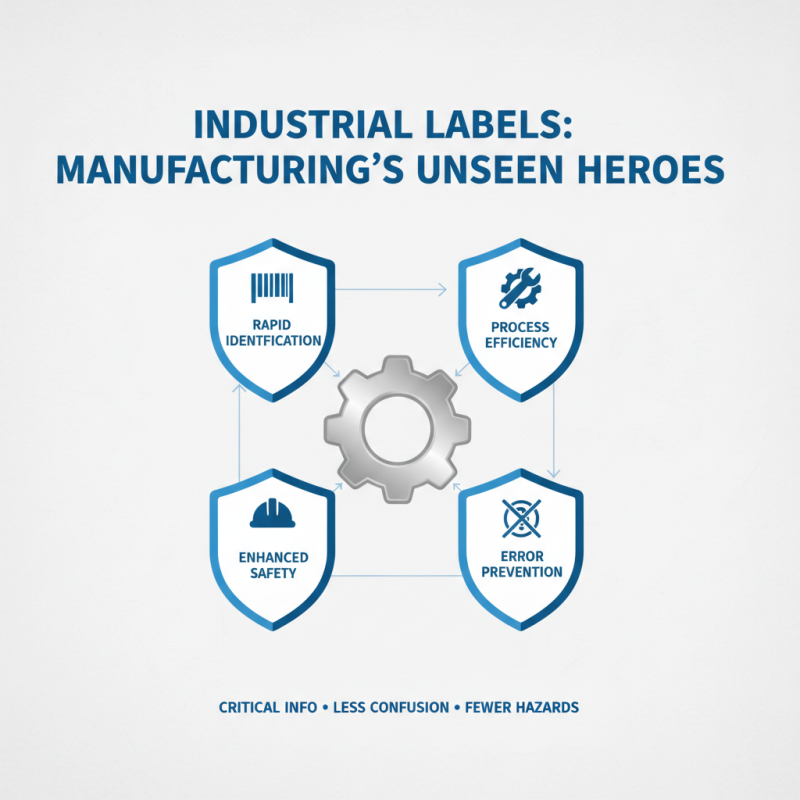
Industrial labels play a crucial role in manufacturing. They provide essential information about products, processes, and safety measures. These labels help to identify items quickly, promoting efficiency and safety in the workplace. Without proper labeling, confusion can arise, leading to mistakes and potential hazards.
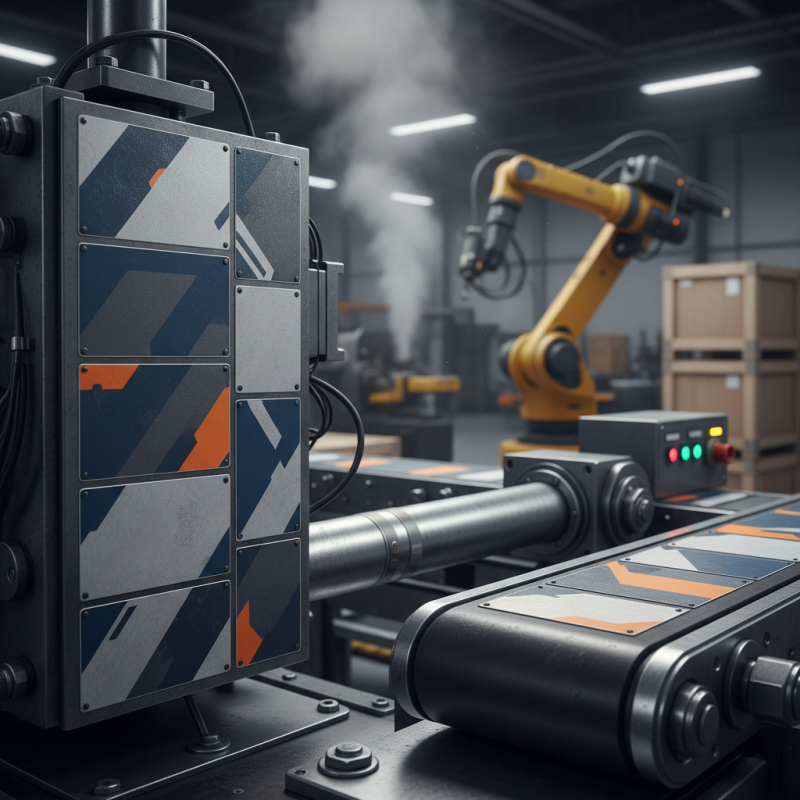
Consider the various applications of industrial labels. They are often found on shipping containers, machinery, and hazardous materials. Each label serves a specific purpose, such as providing contents, handling instructions, or safety warnings. Clear labels can save time and reduce risks in busy environments.
**Tip:** Always check labels before using any equipment. A small oversight can lead to serious accidents.
In some cases, labels may not be updated regularly, causing discrepancies. Workers may rely on outdated information, which could cause errors. Regular audits of labels ensure accuracy. It's important to engage team members in this process. Their insights can help refine labeling practices.
**Tip:** Encourage a culture of safety and awareness. Host regular training sessions on label importance.
Types of Industrial Labels and Their Unique Features
Industrial labels serve various functions in manufacturing. They enhance safety, streamline operations, and provide essential information. Different types of labels cater to diverse needs. For instance, safety labels often indicate hazards and required precautions. In 2022, the global industrial labeling market was valued at around $18 billion. This number is expected to grow, highlighting the importance of effective labeling.
Among the types of industrial labels, barcode labels are prominent. They enable quick inventory management and tracking. In fact, studies show that businesses using barcode labeling can reduce operational errors by up to 30%. Another common type is asset tags. These tags help in equipment identification and maintenance tracking. Without clear labeling, inefficiencies arise, leading to costly delays.
Durable labels are crucial in harsh environments. Often made from tough materials, they withstand extreme temperatures and chemicals. Yet, not all labels stand the test of time. Some manufacturers overlook the quality of materials used. This can result in faded or peeling labels, which can cause confusion and safety risks. Choosing the right label is vital for smooth operations.
Key Regulations Governing Industrial Labeling Standards
Industrial labeling plays a critical role in manufacturing. It's not just about identifying products; it ensures safety and compliance. Key regulations, such as OSHA standards, guide how labels must be designed and displayed. These regulations help reduce workplace hazards. A study by MarketsandMarkets indicates that the industrial label market is projected to reach $49.5 billion by 2025, underscoring its growing importance.
Adhering to these regulations means understanding specific requirements. Labels must include warnings, instructions, and safety information. The ANSI Z535 standard, for example, outlines color usage for hazard communication. Many manufacturers struggle with compliance due to varied interpretations of these standards. Some companies produce labels that meet specifications but fail to apply them consistently across all products.
Furthermore, the integration of digital technologies in labeling presents challenges and opportunities. Companies must balance accuracy with efficiency. As automation rises, the need for real-time updates becomes crucial. It can be daunting for industries to keep up with evolving standards. This inconsistency can lead to compliance issues, affecting production processes and safety protocols.
Role of Industrial Labels in Supply Chain Management
Industrial labels play a crucial role in supply chain management. They provide essential information about products, improving traceability and organization. These labels contain details like product specifications, barcodes, and handling instructions. With clear labeling, businesses can reduce errors during shipping and processing. An organized warehouse is vital for efficiency, and labels contribute to that structure.
In addition to improving visibility, labels can streamline communication between teams. They help in identifying products quickly, minimizing time wastage. But issues can arise when labels fade or become unreadable. Businesses must regularly check and maintain their labeling systems. Consistent label updates keep information accurate, ensuring smooth operations.
Moreover, industrial labels facilitate compliance with safety regulations. Proper identification of hazardous materials is critical in preventing accidents. However, not all industries prioritize label quality. Some companies overlook labeling until problems emerge. This often leads to unnecessary delays and increased costs. Striking a balance between aesthetics and functionality is vital for effective industrial labeling in supply chains.
Innovations in Industrial Label Technology and Applications
Industrial label technology has evolved significantly over the years. Innovations now focus on materials and printing techniques that enhance durability and visibility. Modern labels can withstand harsh environments, such as extreme temperatures and chemicals. This reduces waste and improves supply chain efficiency.
In addition, smart labeling is a growing trend. These labels often integrate QR codes or RFID technology, allowing for better tracking and real-time data access. This can streamline inventory management and reduce human error. While these advancements offer great potential, challenges remain in implementation and compatibility with existing systems.
Companies must also consider the ecological impact of labels. Not all materials are environmentally friendly, leading to waste concerns. Finding sustainable solutions is important. Balancing innovation with responsibility is key in the manufacturing sector. These choices shape the future landscape of industrial labels.