Top Controlled Release Fertilizer Solutions for Global Buyers?
In the ever-evolving landscape of agriculture, the demand for effective nutrient delivery systems is paramount. Controlled Release Fertilizers (CRFs) have emerged as a vital solution, offering precision in nutrient release tailored to crops' needs. Dr. James H. Smith, a leading expert in soil science, emphasizes, "The future of sustainable farming lies in the efficiency of Controlled Release Fertilizers.” His insight reflects a growing awareness in the industry regarding the importance of optimizing nutrient use.
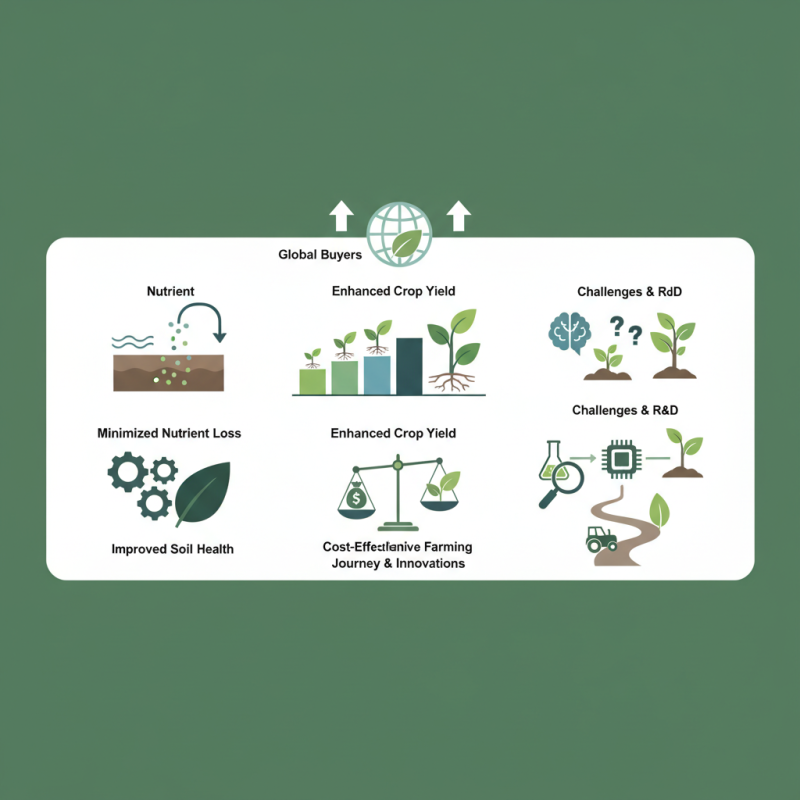
Global buyers are increasingly seeking CRF solutions that enhance both crop yield and environmental sustainability. These fertilizers are designed to minimize nutrient loss and improve soil health. However, challenges remain. Many formulations may not suit every soil type or crop demand. Further research and development are necessary to address these gaps effectively.
As stakeholders explore advanced CRF solutions, the market presents both opportunities and hurdles. Balancing cost-effectiveness with performance can be complex. A thoughtful approach to selecting Controlled Release Fertilizers is vital for long-term agricultural success. With ongoing innovations, the farmers’ journey towards sustainable practices continues to evolve.
Top Controlled Release Fertilizer Solutions: Market Overview and Trends
The market for controlled release fertilizers is evolving rapidly. Buyers are looking for solutions that enhance efficiency and sustainability. These fertilizers are designed to release nutrients over an extended period. This minimizes nutrient loss and promotes healthier plant growth, which is essential in today's agriculture.
One trend in this market is the increasing demand for eco-friendly options. As environmental concerns grow, many farmers seek solutions that reduce their carbon footprint. Additionally, there is a push for products that can adapt to various soil types and climates. These versatile fertilizers offer flexibility and can improve yield across diverse agricultural practices.
Tips: Consider your soil's nutrient needs before selecting a product. Customizing your fertilizer selection based on specific crop requirements can yield better results. Also, always check for compatibility with existing farming methods. Exploring new technologies is beneficial, but it is crucial to evaluate their practicality in your local context. Embrace innovations, but remain mindful of potential challenges.
Global Demand for Controlled Release Fertilizers: Data and Projections
The global demand for controlled release fertilizers (CRFs) is on the rise, driven by various agricultural needs. Industry reports project that the market will grow significantly, reaching an estimated value of $3.5 billion by 2027. This growth reflects farmers' increasing need for efficient nutrient management. A study indicated that CRFs can improve nutrient uptake by 30%, enhancing crop yields while minimizing environmental impact.
Several factors influence this demand. The rise in population necessitates higher food production. In many regions, conventional fertilizers often fail to meet efficiency expectations. A recent analysis revealed that only 50% of nutrients from traditional fertilizers are used effectively by plants. Consequently, CRFs present a promising solution, providing controlled nutrient release over extended periods.
However, there are challenges. Not all soils respond equally to CRFs. Some crops may not benefit as expected, leading to inconsistent results. Farmers must also adapt to CRF technology, which requires education and training. Balancing sustainability and productivity remains a complex task in modern agriculture. The evolving landscape will continue to shape the demand for innovative fertilization techniques.
Top Controlled Release Fertilizer Solutions for Global Buyers
| Region | Market Size (USD Billion) | Growth Rate (CAGR %) | Key Application Areas | Popular Crop Types |
| North America | 1.5 | 5.0 | Agriculture, Horticulture | Corn, Soybeans |
| Europe | 2.0 | 4.5 | Field Crops, Greenhouse | Wheat, Vegetables |
| Asia-Pacific | 3.5 | 6.5 | Rice, Fruits | Rice, Tea |
| Latin America | 1.2 | 5.8 | Coffee, Sugarcane | Coffee, Soybeans |
| Middle East & Africa | 0.8 | 4.0 | Date Palm, Citrus | Dates, Citrus Fruits |
Key Manufacturers and Their Innovations in Controlled Release Fertilizers
Controlled release fertilizers (CRFs) have transformed modern agriculture. These innovative solutions gradually release nutrients, improving efficiency and reducing waste. Various manufacturers are leading the charge, presenting cutting-edge technologies that enhance how fertilizers work.
One key advancement is encapsulation technology. This approach uses coatings that allow for precise nutrient release. When conditions are right, the nutrients are available to plants. This process minimizes nutrient loss due to runoff or evaporation. Additionally, research on bio-based materials for fertilizer coatings is gaining traction. Such materials are environmentally friendly and can be biodegradable.
However, while these innovations are promising, some challenges remain. Not all crops respond equally well to CRFs. Farm management practices can influence effectiveness unless applied correctly. Understanding local soil conditions is vital to optimize nutrient release. Overall, while progress is significant, continuous experimentation and adaptation are needed to fully harness the potential of controlled release fertilizers.
Environmental Impact and Sustainability of Controlled Release Fertilizers
Controlled release fertilizers (CRFs) have gained attention for their potential benefits in agriculture. These fertilizers gradually release nutrients, providing plants with a steady supply. This method reduces nutrient loss and decreases environmental pollution, making it attractive to farmers and gardeners alike. However, the environmental impact of CRFs requires careful consideration.
While CRFs help minimize runoff and leaching, improper application can lead to unintended consequences. If used excessively, they may contribute to soil acidification or affect microbial life. Additionally, the production of these fertilizers involves energy use and material extraction, raising questions about overall sustainability. It's essential to evaluate the lifecycle of CRFs, from manufacturing to application.
Sustainable practices and innovation can improve the environmental footprint of CRFs. Research into bio-based alternatives shows promise, as these solutions could enhance soil health and reduce dependency on synthetic materials. Each step taken towards a more sustainable approach will help ensure agricultural practices meet current and future demands. Reflecting on these challenges can guide better decision-making in fertilizer use.
Environmental Impact of Controlled Release Fertilizers
Comparative Analysis: Controlled Release vs. Traditional Fertilizer Solutions
Controlled release fertilizers (CRFs) are gaining popularity among global buyers for their efficiency. Unlike traditional fertilizers, CRFs release nutrients gradually. This controlled process helps prevent nutrient leaching, ensuring that crops receive nourishment over time. Farmers see improved yields and better soil health with CRFs.
In contrast, traditional fertilizers often lead to nutrient spikes. These spikes can harm plants if not properly managed. Traditional methods may cause runoff, harming local ecosystems. CRFs, however, reduce this risk, requiring less frequent applications. Farmers may still question the cost-effectiveness of CRFs versus immediate yield returns from traditional options.
Despite the growing interest in CRFs, some concerns linger. The technology behind CRFs can be complex and is still evolving. Additionally, there may be limited research in certain regions about best practices for use. Users need reliable data and expertise to make informed decisions. As the fertilizer market continues to develop, the debate between CRFs and traditional solutions will persist.
