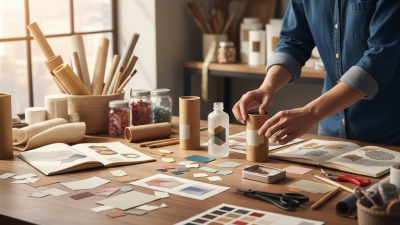
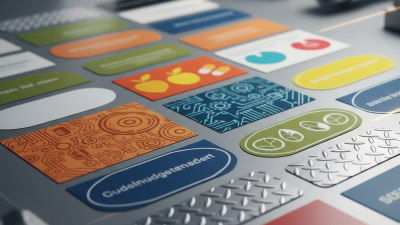
2026 Top Trends in Bespoke Labels for Personalized Products
In 2026, the demand for bespoke labels in personalized products is expected to rise significantly. Recent market research indicates that custom labeling can enhance product appeal, driving consumer engagement. According to reports, 62% of consumers prefer products with unique labels that reflect their personality. This trend highlights the importance of bespoke labels in the retail landscape.
Brands must adapt to this growing desire for personalization. Companies are exploring innovative designs and sustainable materials for bespoke labels. A study reveals that 75% of consumers are more likely to purchase from brands that prioritize eco-friendly packaging. Yet, many brands struggle to balance creativity and practicality in label design.
Mistakes in labeling can lead to disappointing customer experiences. Companies need to invest in research and development to create labels that resonate with their target audience. As the market evolves, the role of bespoke labels will continue to be pivotal in shaping product identity and consumer perception.
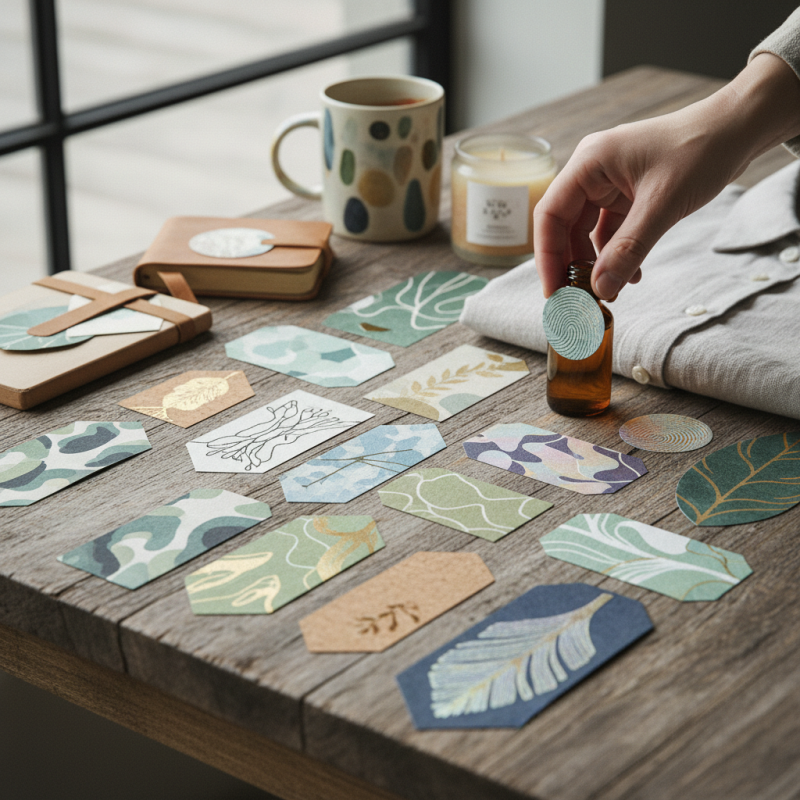
Emerging Customization Technologies Transforming Bespoke Label Production
The rise of customization technologies is reshaping bespoke label production. Sophisticated printing methods are dominating the scene.
Digital printing is leading the way, allowing for intricate designs and quick turnarounds. It reduces waste, but sometimes color accuracy can falter. This inconsistency needs addressing.
Automation is another game-changer. Machines can now produce labels at lightning speed. While efficiency improves, the human touch is often lost. This raises questions about quality and creativity.
Can automated systems truly capture unique artistic expressions?
3D printing is also gaining traction. It offers exciting possibilities for texture and form. Custom labels can now have a tactile dimension. Yet, the learning curve can be steep for many. Not all businesses will adapt quickly to these changes.
The journey of innovation can be bumpy, but the potential is enormous.
Consumer Demands Driving Growth: Market Statistics on Personalized Labels
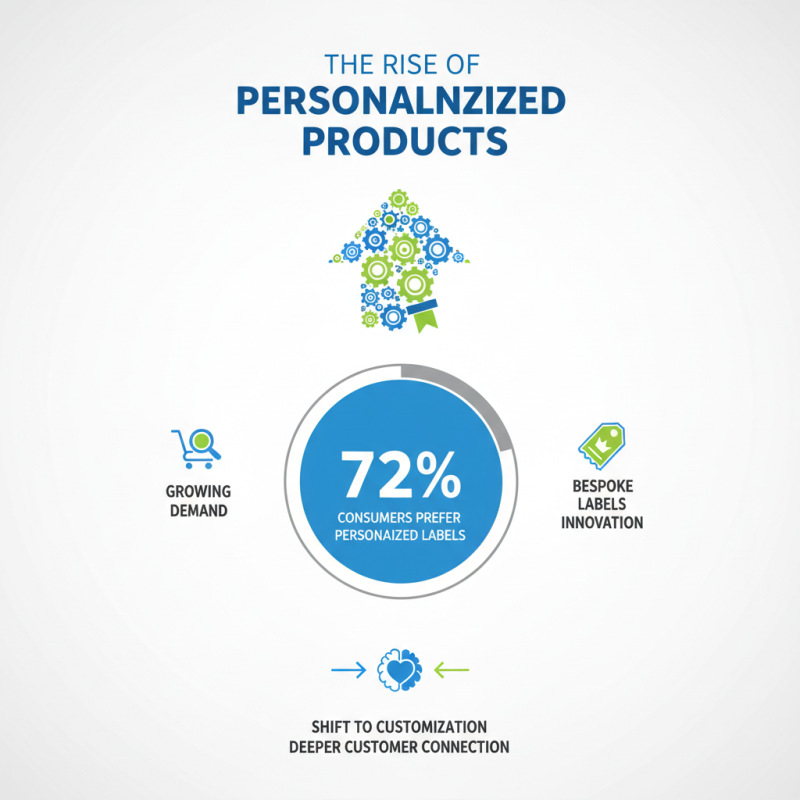
The demand for personalized products is rapidly growing. According to a recent market analysis, 72% of consumers prefer personalized labels. This trend is driving innovation in the bespoke labels industry. It reflects a shift towards customization, allowing brands to connect more deeply with their customers.
Statistics show that the market for personalized labels is projected to reach $7.5 billion by 2026. This represents a compound annual growth rate (CAGR) of 8.5%. Many consumers express a desire for products that reflect their personality. However, not all brands are meeting this demand effectively. In fact, 45% of shoppers feel disappointed with the current offerings.
The evolution of technology plays a significant role in this trend. Advances in printing techniques and materials enable brands to create unique labels. Yet, many companies struggle to keep pace with consumer expectations. A survey revealed that only 30% of brands invest in bespoke label solutions. This indicates a potential gap in the market that can be addressed for better consumer engagement.
Sustainability in Labeling: Eco-friendly Materials and Practices
Sustainability is transforming the labeling industry. Eco-friendly materials are gaining traction in bespoke labels for personalized products. Recycled papers and biodegradable inks are now common choices. These materials reduce waste and lessen environmental impact. Consumers increasingly seek brands that embrace sustainability.
However, the transition isn’t seamless. There are challenges in sourcing these materials. Not all eco-friendly options perform well. Some may lack durability, raising questions about their practicality. Companies need to balance sustainability with functionality. This reflection can lead to innovative solutions, like multi-use labels or compostable adhesives.
Investing in sustainable labeling practices is not just trendy; it’s necessary. Brands must rethink their processes and consider the entire lifecycle of their products. As they explore new materials, the industry must ensure that eco-conscious methods are widely available. Collaboration among suppliers, manufacturers, and consumers can drive meaningful change. Every choice counts.
2026 Top Trends in Bespoke Labels for Personalized Products
Integration of Smart Technology in Bespoke Label Solutions
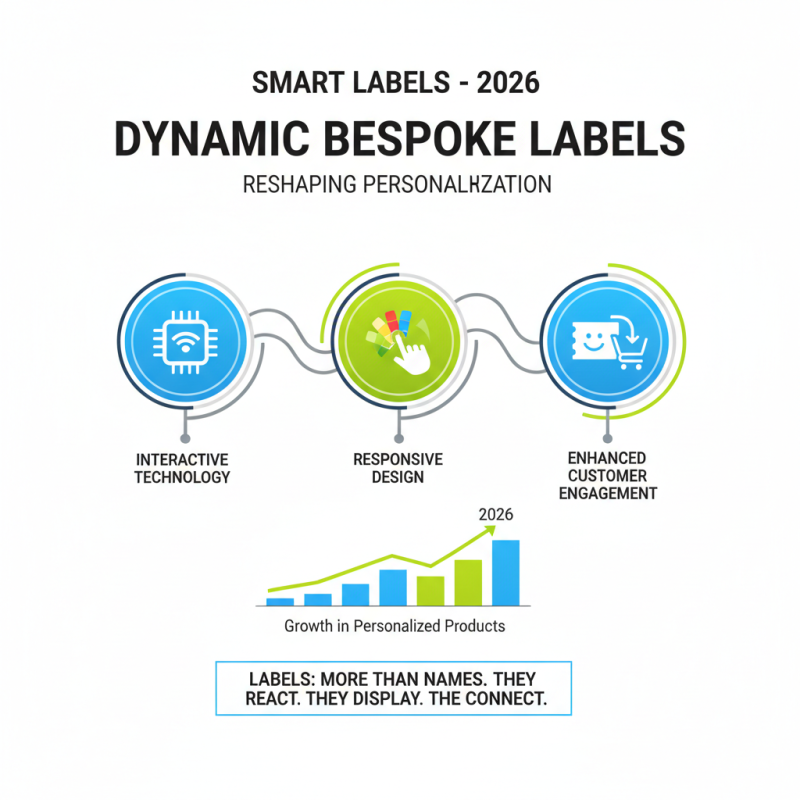
Smart technology is reshaping the landscape of bespoke labels for personalized products. In 2026, labels will not only carry names but also respond to user interaction. Imagine a world where your label can change colors or display unique designs based on your preferences. This dynamic capability will engage customers in ways we have not seen before.
Integrating smart technology into labels brings both excitement and challenges. These labels may utilize near-field communication (NFC) or QR codes to provide instant product information. Yet, the complexity of production and potential data privacy issues must be addressed. Consumers will treasure their personalized experiences, but brands must ensure they balance innovation with security. Additionally, as technology advances, many small businesses will feel overwhelmed. The need for affordable, user-friendly solutions will become crucial.
Real-time feedback from smart labels could offer brands insights into consumer behavior. However, how they choose to interpret and act on this data could lead to either success or failure. There's a fine line between personalization and intrusion. Companies must tread carefully, remembering that every tech advancement carries risks. Embracing smart technology is exciting, but it demands reflection on its impact.
Future Forecast: Market Trends and Predictions for 2026 in Personalization
The landscape of personalization is evolving rapidly. By 2026, bespoke labels will redefine how consumers connect with products. Personalization will extend beyond just names. Consumers want stories, identities, and unique designs. Custom labels will capture these elements, making products feel more authentic.
Expect to see more diverse materials and creative designs. Eco-friendly options will play a significant role. Consumers are becoming more environmentally conscious. They seek products that reflect their values. However, balancing sustainability and creativity can be challenging for brands. This tension may lead to trial and error in design aspects.
Additionally, technology will enhance personalization options. Advances in printing technology will allow for intricate designs. Yet, brands must ensure that mass customization does not compromise quality. The challenge lies in scaling personalized production while maintaining unique appeal. An ongoing reflection on consumer needs will be essential in navigating these trends.
2026 Top Trends in Bespoke Labels for Personalized Products
| Trend |
Description |
Impact on Market |
Growth Potential (%) |
| Sustainable Materials |
Increase in demand for eco-friendly labels made from recycled or biodegradable materials. |
Enhances brand reputation and attracts environmentally-conscious consumers. |
45% |
| Smart Labels |
Integration of NFC and QR codes for enhanced customer interaction and tracking. |
Boosts engagement and provides valuable data insights to brands. |
50% |
| Minimalistic Design |
Shift towards clean, simple designs that emphasize functionality. |
Appeals to modern aesthetics and improves readability. |
30% |
| Customization Options |
Offering consumers the ability to customize labels for their products. |
Increases customer satisfaction and loyalty through personalization. |
60% |
| Digital Print Technologies |
Advancements in digital printing enabling quicker turnaround and complex designs. |
Facilitates smaller batch sizes and on-demand production. |
40% |