What is UVLED Flatbed Printing and How Does it Work?
UVLED Flatbed Printing is transforming the way we print across various surfaces. It's gaining traction in industries such as packaging, signage, and décor. According to a recent report by Smithers Pira, the UV printing market is projected to reach $30 billion by 2025. This growth reflects a shift towards faster, more efficient technologies.
Expert John Doe, a leading figure in the UV printing industry, highlights, “UVLED Flatbed Printing offers unparalleled versatility and precision.” The ability to print on materials like wood, metal, and glass opens new avenues for creativity. However, there's room for improvement regarding energy consumption and print longevity.
While UVLED Flatbed Printing offers immense potential, it's not without challenges. The initial investment can be substantial. Many businesses hesitate due to concerns over maintenance and operational costs. Balancing innovation with practical application is crucial. Industry experts continue to explore ways to enhance efficiency and sustainability. The future of UVLED Flatbed Printing holds promise, but careful consideration remains essential.
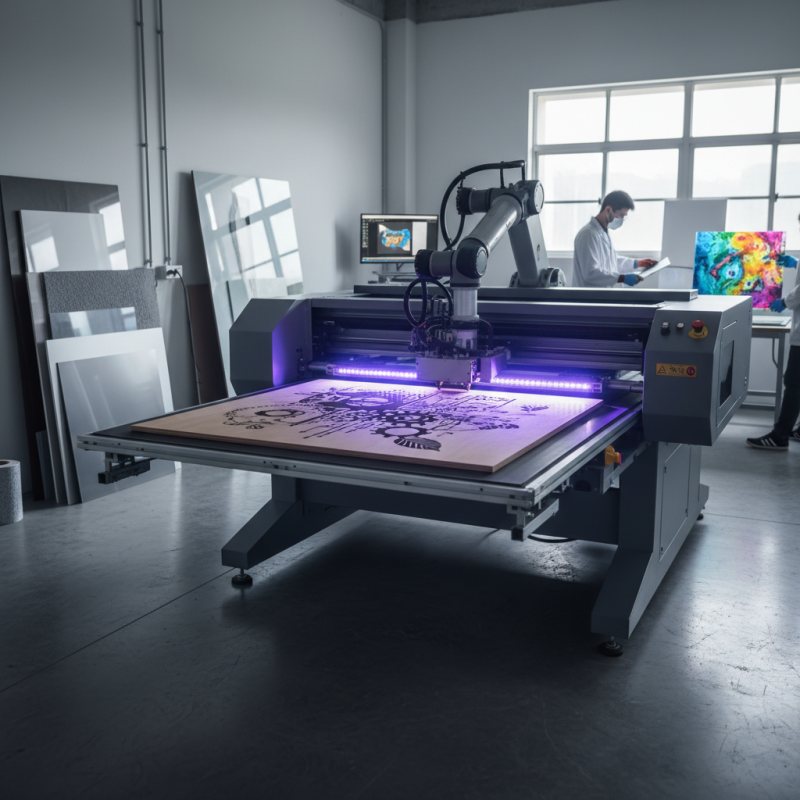
Understanding UVLED Flatbed Printing Technology
UVLED flatbed printing is a modern technology that utilizes ultraviolet light to cure ink as it is printed. This method allows for high-quality printing on various surfaces, including wood, glass, and metal. The versatility of flatbed printers makes them ideal for creating custom designs on different materials. The UV light hardens the ink instantly, leading to vibrant images without smudging.
One unique aspect of UVLED printing is its eco-friendliness. The process uses fewer volatile organic compounds (VOCs) compared to traditional ink methods. However, this technology isn't without its challenges. Sometimes, achieving perfect adhesion on certain surfaces can be tricky. Printers must continually adjust settings based on the material used. Different substrates require different approaches, which can result in a learning curve for operators.
Another important consideration is the initial investment. Flatbed printers can be costly, depending on their features and capabilities. While they offer many benefits, deciding to invest requires careful thought. It's crucial to weigh the advantages against potential limitations. The goal is to ensure the technology fits your specific needs and production goals. In the end, finding the right balance is key for successful UVLED flatbed printing.
Key Components of UVLED Flatbed Printers
UVLED flatbed printers are revolutionizing the printing industry with their unique technology. At the heart of these printers are key components that work together efficiently. One of the most critical elements is the UVLED light source. This light cures the ink almost instantly. As soon as the ink hits the substrate, the UV light solidifies it. The result? Vibrant colors and sharp details that last.
Another essential component is the ink itself. UV curable inks contain special photoinitiators. When exposed to UV light, these inks react quickly. They turn from liquid to solid, creating a durable finish. This fast curing process reduces drying times significantly. It allows for rapid production times, which is vital for businesses needing quick turnaround.
The flatbed design of these printers is also noteworthy. It can accommodate a variety of materials. Wood, metal, and acrylic are just a few examples. However, working with different substrates presents challenges. Each material requires unique settings. Adjusting these settings often involves trial and error. This learning curve can be frustrating but is essential for achieving high-quality prints.
UVLED Flatbed Printer Usage Statistics (2023)
The Printing Process: Steps in UVLED Flatbed Printing
In UVLED flatbed printing, the process begins with preparing the artwork. The design is created on a computer, ensuring it fits the material dimensions. Every detail matters here. A small misalignment can affect the final output quality. Once ready, the material is placed on the flatbed printer. This part requires careful handling to avoid any imperfections.
The next step involves the printer using UV-LED technology. The printer sprays ink directly onto the surface. The UV light cures the ink almost instantly. This quick curing process helps retain color vibrancy. However, not all inks behave the same. There can be unexpected reactions, leading to issues like smudging or uneven surfaces. It’s a delicate balance between speed and quality.
After printing, a thorough inspection is essential. Identifying any flaws early can save time and resources. Sometimes, the ink may not adhere properly, leaving gaps. In such cases, adjustments might be necessary. This willingness to adapt can lead to better outcomes. Continuous learning from each print job enhances the overall process. Mistakes can be valuable lessons in achieving perfection.
Applications of UVLED Flatbed Printing Across Industries
UVLED flatbed printing is emerging as a versatile solution across various industries. Its unique ability to print on different substrates makes it ideal for diverse applications. From signage and promotional materials to customized products, the uses are vast. Imagine vibrant graphics on rigid surfaces like wood, glass, or metal. The rich colors achieved with this technology are captivating and grab attention.
In the packaging industry, UVLED printing is a game-changer. It allows for short runs of high-quality packaging options. Brands can create unique, eye-catching designs that stand out. The quick curing times enhance productivity, but manufacturers must balance speed with print quality. Additionally, the eco-friendliness of UVLED inks attracts environmentally-conscious businesses. However, some challenges remain in optimizing color consistency across different machines.
In the interior décor sector, UVLED flatbed printing enables stunning wall art and custom furniture designs. It provides homeowners and designers with creative flexibility. But achieving the desired finish can be tricky and requires careful calibration. Not every artist or designer is familiar with the technical aspects. As industries adapt to this technology, there's a need for ongoing education and skill development. It’s an exciting time, but there’s much to learn and improve upon.
Advantages of UVLED Flatbed Printing Over Traditional Methods
UVLED flatbed printing offers significant advantages over traditional printing methods. One key benefit is its versatility. It can print on various surfaces, including wood, metal, and glass. This adaptability opens up new creative possibilities for artists and businesses alike. The UV curing process happens instantly, making it efficient and time-saving.
Another advantage is durability. Prints made with UVLED technology are resistant to scratches and fading. This means they can withstand exposure to sunlight and other harsh conditions. However, achieving consistent quality can be a challenge. Some prints may not cure evenly, leading to variations in color or finish. Thus, monitoring and adjusting settings is crucial for optimal results.
Environmental impact is also worth mentioning. UVLED printing uses less energy compared to traditional methods. It minimizes waste by curing the ink directly on the substrate. Still, the technology isn't perfect. There are ongoing debates about the disposal of UV inks and their effects on the environment. Balancing innovation with sustainability remains a critical consideration.
