China Best Printing Labels Manufacturer or Supplier?

Choosing the right China best printing labels manufacturer or supplier requires more than comparing prices. It requires evidence, testing, and careful communication.

A reliable partner should understand materials, adhesives, inks, finishing methods, and application conditions. For example, a waterproof label for chilled bottles needs different adhesive performance from a paper label for dry cartons. The supplier should explain these differences clearly. Samples should be tested on the actual packaging, not only viewed on a screen.

Mike Fairley, a respected label-industry consultant and founder of Labels & Labeling, has described a label as “the product’s silent salesperson.” That simple statement still matters. A label must attract attention, convey information, survive handling, and support a consistent brand image. It is a small surface with serious responsibilities.

Look for manufacturers with documented quality procedures, experienced technicians, stable production equipment, and responsive communication. Ask about color control, roll direction, core sizes, tolerances, lead times, and inspection records. These details often reveal more than a polished website.

Do not choose on price alone.

A lower quotation may hide weak adhesive, inconsistent color, or excessive waste. Those problems can appear only after thousands of labels reach the packing line. That risk deserves attention.

Still, no supplier is perfect. Even experienced factories can face material shortages, color variation, or unclear artwork. The wiser approach is transparent correction, not unrealistic promises. This guide examines how to compare Chinese printing labels manufacturers and suppliers, verify their capabilities, and build a dependable sourcing process.
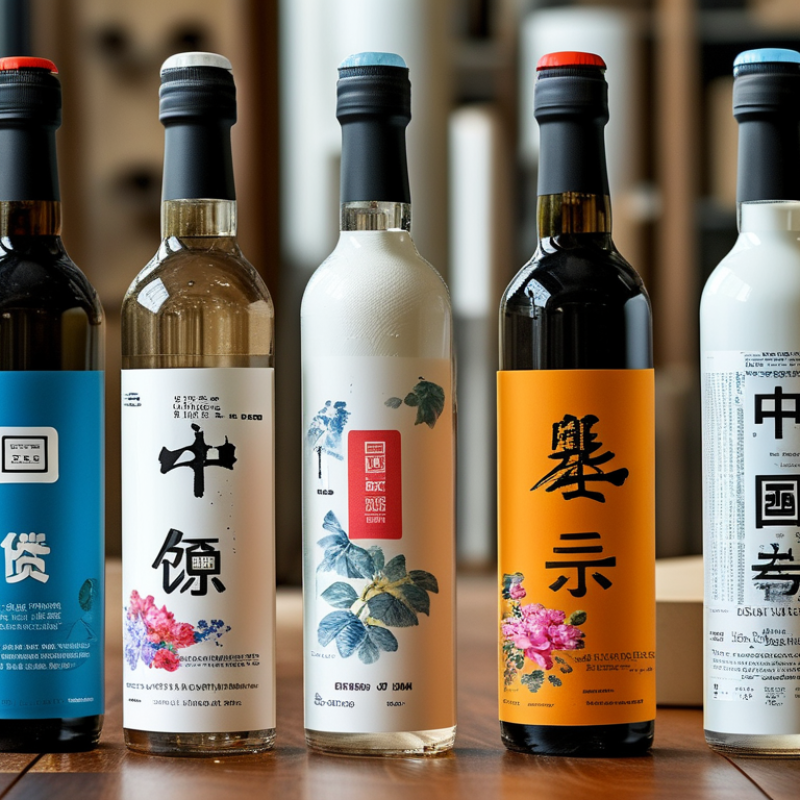
China Best Printing Labels Manufacturer or Supplier?

What Is a Printing Labels Manufacturer or Supplier?

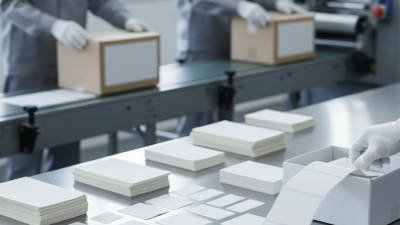
A printing labels manufacturer is a company that designs and produces labels in its own facility. It may print adhesive labels, product stickers, barcode labels, or custom packaging labels. The process can include artwork checking, material selection, printing, coating, cutting, and inspection. A supplier may also offer these services, but it does not always manufacture the labels itself. Some suppliers purchase products from several factories and manage orders for customers.

The difference matters. A manufacturer usually controls production details, such as ink performance, label thickness, cutting accuracy, and color consistency. A supplier may provide more material choices and flexible order support. However, buyers should ask where the labels are made. They should also request samples before approving bulk production. A clear sample can reveal weak adhesive, blurred text, uneven edges, or color differences. Small defects become expensive later.

Reliable companies explain their quality process without vague promises. They can discuss material certificates, batch records, inspection methods, and packaging protection. Experienced teams also understand temperature, moisture, surface texture, and storage conditions. These details affect label performance. I have found that a low price can hide extra checking work. That does not make the supplier unsuitable, but it requires careful questions. No production line is perfect. Even a capable manufacturer should explain how it handles mistakes, reprints, and customer feedback. Short answers deserve caution.

China Printing Labels Manufacturer or Supplier: Global Market Context

A printing labels manufacturer typically produces labels in-house, while a supplier may source and distribute products from multiple production partners. The growing global printed-labels market creates opportunities for buyers to compare suppliers based on material capability, printing quality, finishing options, production capacity, and delivery reliability.

The chart shows the estimated global printed-labels market value in USD billions. The 2022 figure is a reported market baseline; values from 2023 to 2027 are calculated using a 4.8% compound annual growth rate. This market trend highlights why buyers should assess a supplier’s production technology, quality control, substrate range, and capacity before placing an order.

How Printing Labels Are Designed and Manufactured in China

Designing and manufacturing printing labels in China starts with the product, not the press. Engineers check the container’s curve, surface energy, storage temperature, and expected handling. They then select paper, film, adhesive, ink, and coating. According to Grand View Research, the global self-adhesive labels market reached about US$48.9 billion in 2023. Its projected growth reflects stronger demand for traceable, attractive, and durable packaging labels.

A production team usually prepares artwork with bleed, barcode quiet zones, and color references. A prepress operator checks overprint settings and separates each color before proofing. Digital printing suits short runs and variable data, while flexographic printing often supports larger quantities efficiently. The choice is not always obvious. Waste, setup time, and repeat orders can change the calculation. ISO 12647-based color controls can improve consistency, but material variation still requires practical inspection.

Manufacturing may include slitting, die-cutting, laminating, and roll rewinding. Operators inspect registration, adhesive coverage, edge quality, and barcode readability. GS1 guidance recommends verifying barcodes with suitable grading equipment, rather than trusting appearance alone. Chinese suppliers with documented sampling plans, calibrated instruments, and batch records offer stronger reliability. Even so, a perfect first sample can mislead. Humidity, transport vibration, or a different bottle coating may expose weaknesses later. A small pilot order is often wiser than immediate mass production.

China Best Printing Labels Manufacturer or Supplier? - How Printing Labels Are Designed and Manufactured in China

Production Dimension Common Options Design and Manufacturing Considerations Typical Quality or Performance Reference
Label Material Paper, polypropylene, polyester, polyethylene, and coated film Paper is commonly selected for dry indoor applications, while synthetic films are better suited to moisture, abrasion, oil, and temperature exposure. Material selection should match the product surface, storage environment, application method, and required service life.
Printing Method Flexographic, digital, offset, gravure, and screen printing Flexographic printing is widely used for repeat production runs. Digital printing supports variable data and shorter runs without traditional plate preparation. Print-process suitability depends on order volume, image complexity, color requirements, variable information, and turnaround expectations.
Color Management CMYK, spot colors, custom color references, and white ink Color consistency is improved when artwork files, proofing methods, ink systems, and substrate characteristics are controlled throughout production. Approved proofs and documented color tolerances help reduce differences between production batches.
Adhesive Selection Permanent, removable, freezer-grade, high-tack, and repositionable adhesives The adhesive must be compatible with the label material, container surface, temperature range, moisture level, and expected handling conditions. Application testing should be performed on the actual container and under representative temperature and humidity conditions.
Surface Finish Gloss varnish, matte varnish, lamination, soft-touch coating, and foil decoration Finishing can improve appearance and provide additional resistance to scuffing, moisture, and handling. It may also affect barcode readability and recyclability. Finish selection should balance visual requirements, protective performance, cost, and compatibility with downstream recycling systems.
Label Shape and Size Rectangle, circle, oval, custom die-cut, and wrap-around formats Dimensions should account for container curvature, seam placement, label overlap, dispensing equipment, and sufficient quiet zones around barcodes. Production drawings normally specify finished size, corner radius, winding direction, spacing, and application orientation.
Artwork Preparation Vector artwork, raster images, barcodes, QR codes, text, and regulatory symbols Files should use suitable resolution, embedded or outlined fonts, correct bleed, safe margins, and clearly defined overprint settings. Barcode and QR code content should be verified before mass production and tested after printing at the intended scanning distance.
Die Cutting Flatbed die cutting, rotary die cutting, and laser cutting Die selection depends on material thickness, label geometry, production volume, waste requirements, and the required repeatability. Cutting should separate the label face material cleanly without damaging the release liner or causing lifting at the label edges.
Variable Information Serial numbers, batch codes, dates, barcodes, QR codes, and tracking data Variable data is usually processed through controlled digital workflows with file validation, database checks, and production records. Unique-code verification and scan testing help prevent duplication, missing data, and unreadable codes.
Quality Inspection Visual inspection, color checking, dimensional checks, adhesive testing, and barcode verification Inspection may be performed during setup, at defined intervals, and before shipment. Defect criteria should be agreed before production begins. Typical checks include print registration, missing print, smearing, die-cut accuracy, roll winding, label count, and packaging condition.
Roll and Sheet Supply Roll labels, fan-fold labels, individual sheets, and continuous stock Roll specifications should identify core diameter, roll outer diameter, winding direction, label gap, splice policy, and maximum roll weight. Correct roll configuration improves compatibility with automatic applicators and reduces stoppages during labeling.
Packaging and Shipping Cartons, moisture protection, palletized rolls, and protective inner packaging Packaging should prevent crushing, contamination, telescoping, blocking, and moisture damage during storage and transportation. Shipment documentation commonly includes product specifications, quantities, batch information, inspection records, and packing details.
Supplier Evaluation Material capability, print technology, sampling, quality controls, communication, and production capacity A suitable supplier should demonstrate process control, provide representative samples, clarify tolerances, and confirm compatibility with the customer’s application equipment. Comparisons should consider total delivered cost, consistency, lead time, technical support, corrective-action procedures, and compliance documentation.

Specifications vary according to the label structure, application environment, artwork, order quantity, and converting equipment. Final requirements should be confirmed through approved artwork, samples, and application testing.

Which Types of Printing Labels Can Chinese Companies Provide?

Chinese printing label manufacturers can provide pressure-sensitive, wet-glue, wrap-around, and shrink-sleeve labels. Pressure-sensitive labels suit bottles, cartons, and retail packaging. They use paper, BOPP, PET, or PE facestock. Transparent film can create a “no-label” appearance on clear containers. Metallic paper adds shelf impact, but it may reduce barcode contrast.

Variable data is another strong option. Digital presses can print short runs, multiple designs, QR codes, and serialized information without new plates. Flexographic printing remains practical for larger volumes and stable colors. Thermal-transfer and direct-thermal labels support shipping, warehousing, and product identification. According to Grand View Research, the global pressure-sensitive labels market was valued at about 51.2 billion dollars in 2023, with projected growth through 2030. Demand is moving toward flexible materials and shorter production cycles.

Chinese suppliers also produce tamper-evident, removable, freezer-grade, oil-resistant, and outdoor labels. Some provide RFID inlays, but performance depends on the material and application surface. Mordor Intelligence estimates the self-adhesive labels market could grow from roughly 50.7 billion dollars in 2024 to 67.0 billion dollars by 2029. In practice, buyers should request adhesive tests, color proofs, and barcode verification reports. A sample that looks perfect indoors may fail in cold storage. I have seen specifications overlook this point. The label is small. The risk is not.

How to Evaluate a China-Based Labels Manufacturer or Supplier

Choosing a China-based labels manufacturer requires more than comparing unit prices. Grand View Research valued the global printed labels market at about USD 45 billion in 2023 and expects continued growth through 2030. Rising demand does not guarantee reliable production. Your evaluation still needs evidence.

Request recent production samples, not only a glossy catalog. Check adhesive performance after refrigeration, moisture exposure, and repeated handling. Ask for substrate specifications, ink details, tolerances, and batch records. A useful factory audit should include the printing floor, inspection area, and finished-goods warehouse. Inspect the evidence. A clean showroom can mislead.

ISO’s 2023 Survey recorded more than 1.2 million ISO 9001 certificates worldwide. Certification supports process control, but it does not replace product testing. Ask whether the certificate covers the actual manufacturing site. Confirm complaint-response times, corrective-action reports, and traceability from raw material to shipment. Request independent testing for peel strength, color consistency, and migration requirements when relevant. Calculate landed cost, including tooling, sampling, freight, and rejected goods. The cheapest quotation may become expensive after rework. I would also leave room for doubt: one approved sample cannot represent every production batch. A small pilot order, with written acceptance criteria, gives stronger evidence than promises.

What Factors Affect Printing Label Quality, Cost, and Delivery?

China Best Printing Labels Manufacturer or Supplier?

What Factors Affect Printing Label Quality, Cost, and Delivery?

Printing label quality begins with the material, adhesive, and artwork, not only the press. Paper, film, and textured stock behave differently during printing and application. A label for a chilled bottle needs stronger moisture resistance than one for a dry carton. Small details matter. Color accuracy also depends on the chosen color system, ink, coating, and viewing light. Requesting a physical proof can reveal weak contrast, fine text loss, or uneven varnish before mass production. I have seen attractive digital files produce disappointing labels because the final material was never tested.

Cost changes with size, quantity, colors, finishing, and tooling requirements. Foil, embossing, lamination, and custom shapes add visual value, but they also increase setup time and waste. Ordering more units usually reduces the price per label, although excessive stock may become outdated. Nothing is guaranteed. A reliable supplier should explain tolerances, inspection methods, and replacement procedures clearly. Delivery depends on approved artwork, raw material availability, production scheduling, packaging, and transport distance. Delayed artwork approval can be more damaging than slow printing. Share exact dimensions, application conditions, roll direction, core size, and packing preferences early. A written sample approval and realistic production timeline reduce confusion, but they cannot remove every risk. My own view is simple: the cheapest quote deserves careful questions, especially when quality checks or delivery assumptions remain unclear.